
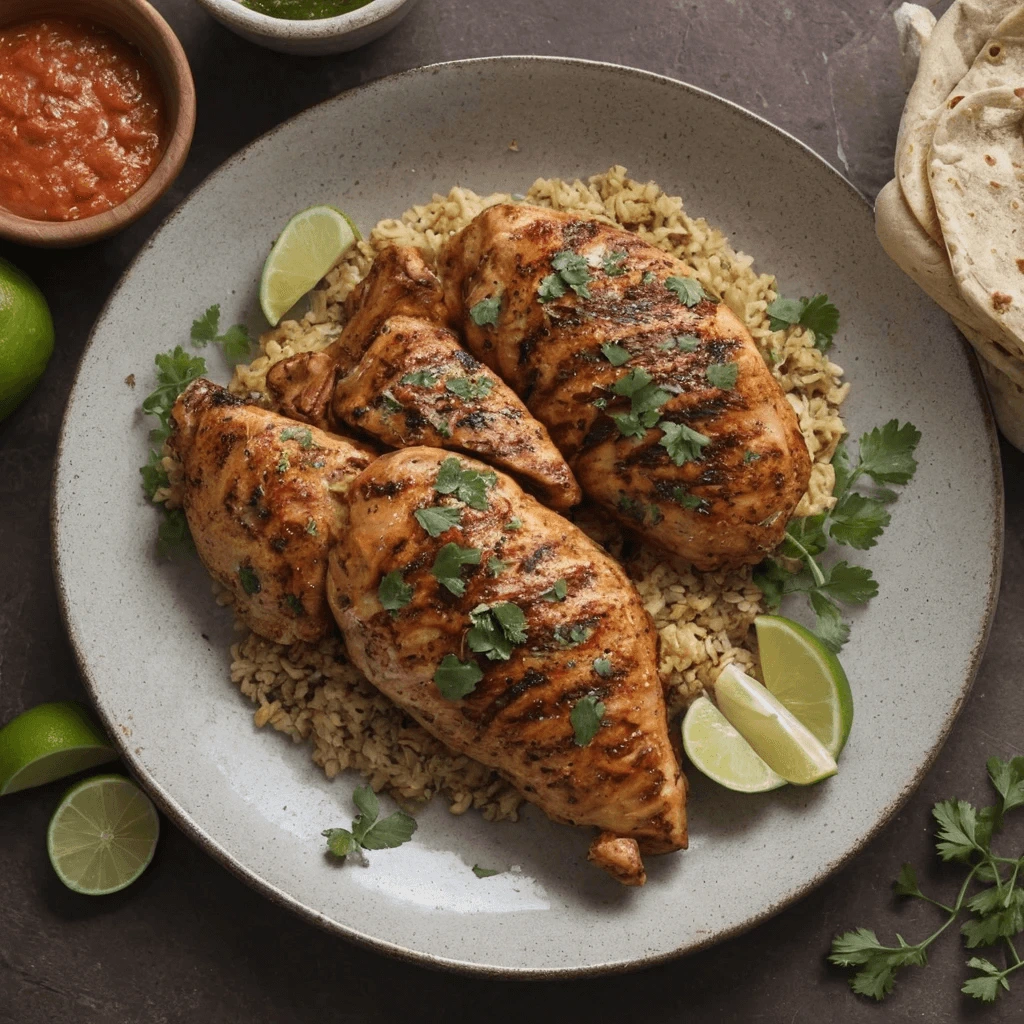
There’s something truly magical about the flavors of Mexican cuisine. From the zesty kick of lime to the warm, earthy notes of cumin and chili powder, a well-crafted Mexican chicken marinade can transform your meal into a fiesta of flavors. Whether you’re grilling, baking, or pan-searing your chicken, the right marinade is the key to juicy, tender meat that bursts with authentic taste.
In this blog post, we’ll share the top 5 tips for creating the best Mexican chicken marinade. These tips will help you master the art of balancing flavors, choosing the right ingredients, and cooking techniques to elevate your chicken to the next level. Perfect for tacos, fajitas, enchiladas, or even as a standalone dish, this marinade is sure to impress your family and friends. Let’s dive in and unlock the secrets to a truly unforgettable Mexican chicken marinade!
Start with Fresh Ingredients for Authentic Flavor
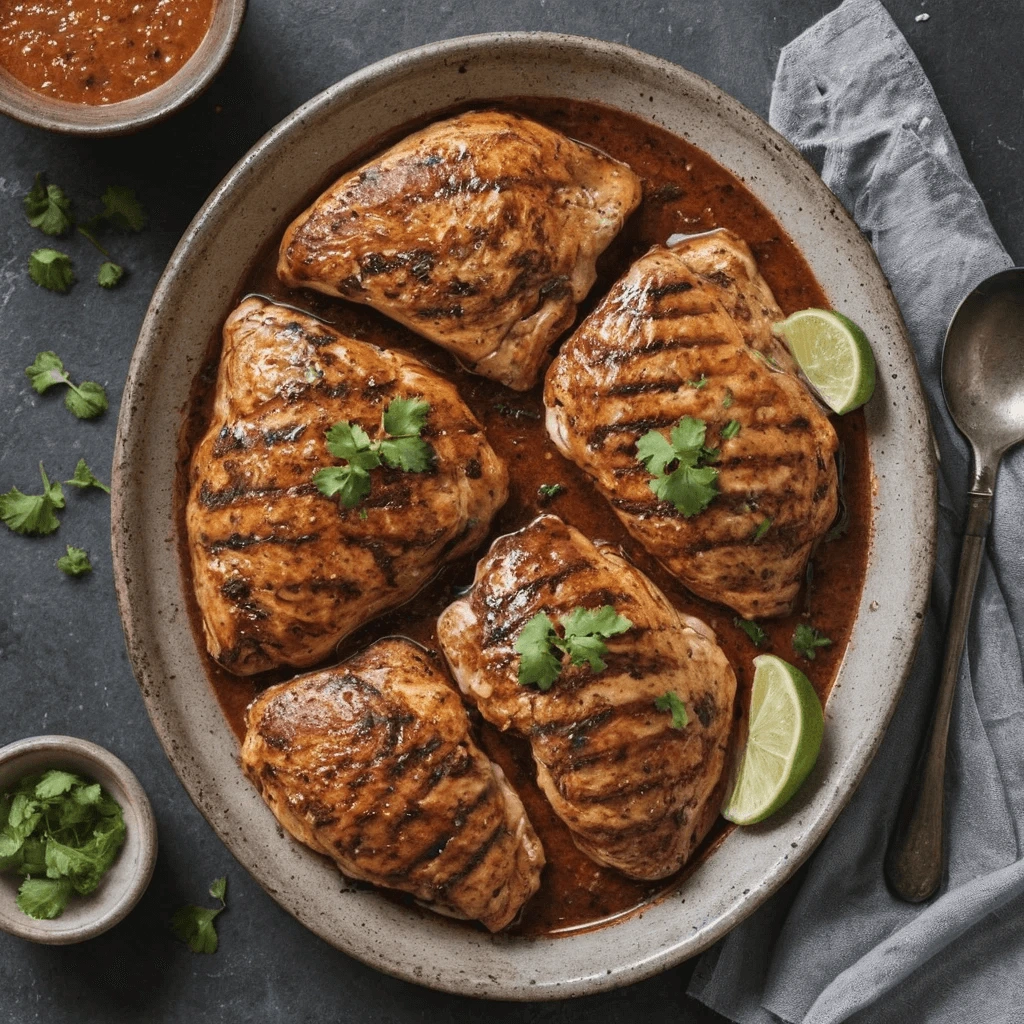
Fresh Herbs: The Secret to Bold and Authentic Mexican Flavor
Fresh herbs are the backbone of a flavorful Mexican chicken marinade, offering an aromatic and vibrant base that elevates your dish to the next level. These herbs not only add depth and complexity but also tie the other ingredients together, creating a perfectly balanced marinade. Among the most essential herbs for Mexican cuisine, cilantro takes center stage, delivering its signature citrusy and slightly peppery notes.
The Role of Cilantro in Mexican Marinades
Cilantro is the herb most commonly associated with Mexican cooking, and for a good reason. Its bright, citrus-like flavor pairs beautifully with tangy lime juice, earthy spices like cumin and chili powder, and the savory richness of garlic. When finely chopped and added to your marinade, cilantro imparts a fresh and authentic taste that permeates the chicken, ensuring every bite is flavorful.
Beyond its flavor, cilantro also plays a role in enhancing the visual appeal of your dish. The vibrant green flecks of the herb add a pop of color to the marinade, making it as appetizing to the eyes as it is to the taste buds.
Other Fresh Herbs to Elevate Your Marinade
While cilantro is indispensable, combining it with other fresh herbs can add even more depth to your marinade:
- Mexican Oregano: Unlike its Mediterranean counterpart, Mexican oregano has a milder, citrusy profile with hints of licorice. It complements the smoky and tangy elements of a Mexican chicken marinade.
- Parsley: A great option for those who prefer a more subtle flavor, parsley adds a mild, herbaceous touch without overpowering other ingredients.
- Mint: While not traditionally used in Mexican marinades, a small amount of mint can bring a refreshing twist, particularly in summer dishes or grilled chicken.
Tips for Maximizing Flavor with Fresh Herbs
To truly capture the essence of Mexican cuisine, it’s important to handle your herbs with care:
- Chop Fresh: Always chop your herbs right before incorporating them into the marinade. This preserves their essential oils, which hold most of their flavor and aroma.
- Include the Stems: Cilantro stems, often discarded, are packed with flavor. Finely chop them along with the leaves to maximize the herb’s contribution.
- Balance is Key: While herbs enhance the flavor, overusing them can overpower the marinade. Aim for about 1/4 cup of chopped fresh herbs per pound of chicken for the perfect balance.
Cilantro Alternatives for Cilantro-Haters
Some people find cilantro’s flavor soapy due to genetic factors. If you or your guests fall into this category, here are some excellent alternatives:
- Flat-Leaf Parsley: Provides a mild, grassy flavor without the polarizing taste of cilantro.
- Thai Basil: Offers a sweet and slightly spicy note that complements Mexican spices.
- Celery Leaves: Deliver a fresh, clean taste and a hint of bitterness that works well in marinades.
Final Thoughts on Fresh Herbs
Incorporating fresh herbs, especially cilantro, is an essential step in crafting an authentic and flavorful Mexican chicken marinade. These herbs not only enhance the aroma and taste but also ensure that your marinade stays true to its Mexican roots. Whether you’re grilling, baking, or pan-searing, fresh herbs make all the difference in creating a dish that is both delicious and visually stunning.
Citrus Kick: The Zesty Foundation of a Perfect Mexican Marinade
Citrus is a fundamental element in Mexican cooking, and its role in a chicken marinade is irreplaceable. The tangy, zesty flavors of fresh citrus fruits not only brighten the marinade but also serve as a natural tenderizer, ensuring your chicken stays juicy and flavorful. Incorporating citrus into your marinade is one of the easiest ways to bring authentic Mexican taste to your dish.
Why Citrus Matters in a Marinade
Citrus juices, such as lime, lemon, and orange, have natural acidity that performs two key functions:
- Flavor Booster: Citrus adds a vibrant tang that balances the rich and earthy flavors of spices like cumin, chili powder, and garlic.
- Meat Tenderizer: The acid in citrus juices breaks down proteins in the chicken, making it more tender and allowing the marinade to penetrate deeper into the meat.
The result is chicken that’s not only infused with flavor but also has a tender, melt-in-your-mouth texture after cooking.
Types of Citrus to Use
Different citrus fruits contribute unique flavors to a marinade. Using a combination can elevate your dish:
- Lime Juice: A must-have in Mexican marinades, lime provides the quintessential tangy punch that defines many traditional dishes. Its sharp acidity pairs beautifully with cilantro and chili.
- Orange Juice: Adds a hint of sweetness to balance the tanginess of lime and the heat of spices. Freshly squeezed orange juice is ideal for creating a more complex flavor profile.
- Lemon Juice: While less common in Mexican cuisine, lemon can add a bright, clean tang that works well with lighter spice blends.
Tips for Using Citrus in Your Marinade
- Freshly Squeezed is Best: Bottled citrus juices often lack the brightness and depth of fresh juice. Use freshly squeezed lime, orange, or lemon juice for the best results.
- Zest for Extra Flavor: Don’t discard the peels! Citrus zest contains concentrated oils that add a burst of flavor and aroma. Grate a small amount of lime or orange zest into your marinade for an extra layer of complexity.
- Balance the Acidity: While citrus is essential, too much acidity can overpower the marinade or even start “cooking” the chicken (like ceviche). Combine citrus juice with olive oil to balance the acid and prevent over-tenderizing.
Pairing Citrus with Other Ingredients
Citrus works harmoniously with other key marinade components to create a balanced flavor profile:
- Spices: Lime juice enhances the smoky and earthy flavors of cumin, smoked paprika, and chili powder.
- Herbs: Citrus brings out the freshness of cilantro and oregano.
- Sweeteners: A touch of honey or agave syrup complements the tanginess of citrus, creating a sweet and sour balance.
How Much Citrus to Use
For the perfect citrus kick, use about 1/4 cup of juice (roughly 1-2 limes or 1 orange) per pound of chicken. Adjust the quantity based on your taste preference and the balance of flavors in your marinade.
Final Thoughts on the Citrus Kick
The inclusion of citrus in your Mexican chicken marinade is non-negotiable if you want to achieve authentic flavor and tender, juicy meat. Lime, orange, and even lemon juice work together to enhance the dish’s overall profile, making your chicken not just a meal but an experience. Whether you’re serving it in tacos, fajitas, or as a standalone dish, the citrus kick will leave your taste buds dancing with delight.
Spices Matter: The Soul of a Flavorful Mexican Chicken Marinade
Spices are the heartbeat of Mexican cuisine, bringing warmth, depth, and complexity to every dish. A perfectly balanced spice blend can transform a simple chicken marinade into an explosion of bold, authentic flavors. In a Mexican chicken marinade, spices don’t just add heat—they create a harmonious mix of earthy, smoky, tangy, and savory notes that define the essence of this vibrant cuisine.
Essential Spices for a Mexican Chicken Marinade
- Chili Powder
Chili powder is the cornerstone of any Mexican marinade. Made from dried and ground chili peppers, it delivers a smoky, slightly spicy flavor that forms the base of the spice blend. You can adjust the amount depending on your heat preference, or experiment with different types of chili powders like ancho, guajillo, or chipotle for unique flavor profiles. - Cumin
Known for its warm, earthy aroma, cumin is an essential spice that pairs perfectly with the tanginess of lime and the freshness of cilantro. Its deep, nutty flavor adds richness and complexity, making your marinade taste truly authentic. - Paprika (Smoked or Sweet)
Paprika provides a mild sweetness and vibrant red color to the marinade. Smoked paprika, in particular, adds a subtle smoky undertone, enhancing the grilled or roasted flavor of the chicken. - Garlic Powder
Garlic powder is a staple in Mexican cooking, contributing a savory, umami element to the marinade. It blends seamlessly with other spices, ensuring the flavor penetrates the chicken evenly. - Onion Powder
Like garlic powder, onion powder adds depth and savory richness to the marinade. It’s a subtle yet essential component for balancing the overall flavor. - Cayenne Pepper (Optional)
For those who love heat, cayenne pepper is the perfect addition. Just a pinch can add a fiery kick without overpowering the other flavors. - Oregano (Preferably Mexican Oregano)
Mexican oregano has a slightly citrusy and floral flavor that distinguishes it from Mediterranean oregano. It adds a subtle sweetness and a hint of zest that complements the other spices .
Tips for Perfecting Your Spice Blend
- Toast Your Spices
For maximum flavor, consider lightly toasting whole spices (like cumin seeds) before grinding them. This releases their essential oils and enhances their aroma. - Balance is Key
The goal is to achieve a harmonious blend where no single spice dominates. Start with small amounts, taste, and adjust as needed. A typical ratio is:- 2 parts chili powder
- 1 part cumin
- 1 part paprika
- ½ part garlic powder and onion powder
- A pinch of cayenne and oregano
- Fresh Spices Make a Difference
Spices lose their potency over time. For the best results, use fresh, high-quality spices, and store them in airtight containers away from light and heat. - Customize Your Heat Level
Adjust the amount of chili powder, cayenne, or other spicy elements to suit your preference. For a milder marinade, reduce or omit the cayenne and opt for sweeter paprika varieties.
Pairing Spices with Other Ingredients
The spices in your marinade don’t work alone—they interact with other ingredients to create a cohesive flavor profile:
- Citrus Juices: The acidity of lime and orange juice helps mellow the intensity of spices while enhancing their flavor.
- Sweeteners: A touch of honey or agave balances the heat and adds caramelization during cooking.
- Fresh Herbs: Cilantro and oregano complement the spices with their bright, fresh flavors.
Final Thoughts on Spices
The right combination of spices is what makes a Mexican chicken marinade truly unforgettable. By carefully selecting and balancing key spices like chili powder, cumin, and paprika, you can create a marinade that’s bursting with rich, authentic flavors. Whether you’re grilling, baking, or pan-searing your chicken, these spices will ensure every bite is full of warmth and complexity—a true testament to the magic of Mexican cuisine.
Balance Your Flavors for a Perfect Marinade
Tangy vs. Spicy: Striking the Perfect Balance in Your Mexican Chicken Marinade
One of the hallmarks of a great Mexican chicken marinade is the delicate balance between tangy and spicy elements. These two flavor profiles complement each other beautifully, creating a well-rounded and dynamic marinade that appeals to the senses. By understanding how to balance acidity with heat, you’ll be able to craft a marinade that’s bold, flavorful, and perfectly suited to your taste.
The Role of Tanginess in a Marinade
The tangy element in your Mexican chicken marinade typically comes from citrus fruits like lime or orange juice. Tanginess adds brightness, freshness, and depth to the overall flavor profile, which helps cut through the richness of the chicken and the other spices. It also has a natural tendency to highlight the other flavors in the marinade. Without the tanginess, the marinade might feel one-dimensional or overly heavy.
Lime juice is especially important in Mexican cuisine. Its sharp acidity pairs perfectly with the smoky warmth of spices, bringing a refreshing contrast that elevates the entire dish. The tanginess also serves as a tenderizer, helping the chicken absorb the marinade more effectively.
The Role of Spice in a Marinade
On the other hand, spiciness is the flavor that excites and warms the palate. In Mexican cuisine, spiciness typically comes from chili powders or fresh chiles, and sometimes cayenne pepper or jalapeños are used to add a kick. Spice brings complexity to the marinade, adding layers of heat that can range from mild to intense, depending on your preference.
The beauty of spice is in its versatility. It can be a slow burn, like with ancho chili powder, or it can bring a quick burst of heat, like cayenne or chipotle powder. Spiciness doesn’t just create heat; it enhances the flavor profile, making it more exciting and bold.
Balancing Tangy and Spicy for Optimal Flavor
The key to a perfect Mexican chicken marinade lies in finding the right balance between tanginess and spiciness. Too much tanginess can make the marinade taste sour, while too much spice can overpower the other flavors. Here are some tips for achieving that delicate balance:
- Adjust the Levels:
- If you prefer a more tangy marinade, increase the lime or orange juice, but be careful not to overwhelm the chicken with acidity.
- If you love spiciness, gradually add chili powder or cayenne pepper to control the heat level. Start with a small amount, taste, and adjust as you go.
- Layer the Flavors:
Rather than just adding a single source of tang or spice, consider layering the flavors. For example, use lime juice for tanginess and chipotle powder for a smoky, spicy kick. This way, the flavor doesn’t feel flat or one-dimensional—it has depth and nuance. - Sweet Balance:
Sometimes, a little sweetness can help to balance both the tangy and spicy elements. Consider adding a small amount of honey or agave syrup to your marinade. The sweetness softens the sharpness of lime and counteracts the heat of chili, ensuring that both flavors shine without becoming overpowering.
Adjusting for Heat Tolerance
Different people have different tolerance levels for spiciness, so it’s important to tailor the heat to your preferences. Here are a few suggestions:
- Mild: Use only a small amount of chili powder or opt for paprika (which is mild and slightly sweet), paired with lime juice for tang.
- Medium: Use ancho chili powder, which adds a rich, smoky heat, and combine it with fresh lime juice for a tangy-sweet contrast.
- Spicy: Incorporate more cayenne pepper, chipotle, or jalapeño for a significant kick. Ensure the lime juice is balanced, as you don’t want the acidity to overpower the heat.
Final Thoughts on Tangy vs. Spicy
Both tangy and spicy flavors play vital roles in a Mexican chicken marinade. and when balanced properly, they create a marinade that’s vibrant, exciting.and full of depth. The tanginess from lime or orange juice enhances the freshness of the chicken, while the spiciness adds warmth and complexity. By adjusting these flavors according to your preferences and experimenting with different chili powders, citrus fruits, and sweeteners, you’ll craft a marinade that’s bursting with authentic Mexican flavor and perfect for your next meal.
Savory Depth: Enhancing Flavor with Umami and Earthy Notes
When creating a Mexican chicken marinade, it’s essential to add layers of savory depth to balance the tanginess and spiciness. This depth is what makes your dish feel rich, full-bodied, and satisfying. Savory flavors often come from ingredients that are high in umami, the “fifth taste,” which adds a savory, mouth-watering richness to the chicken. When used correctly, savory depth can transform an otherwise simple marinade into something truly extraordinary.
Key Ingredients for Adding Savory Depth
- Garlic and Onion
Garlic and onion are the quintessential ingredients for introducing savory flavors to your marinade. They both have natural sugars that, when combined with heat, caramelize and create a rich, aromatic base. Whether you use fresh garlic or garlic powder, both options contribute a deep umami flavor that complements the other elements of the marinade.Onion, particularly when paired with garlic, provides a slightly sweet and savory flavor that harmonizes perfectly with chili and citrus. Both ingredients meld seamlessly into the chicken, ensuring that each bite is infused with a rich, savory depth. - Soy Sauce or Tamari
While not traditionally Mexican, soy sauce or tamari can be an unexpected but effective addition to your marinade. Their salty, umami-packed flavor helps intensify the other ingredients, creating a deeper, more robust flavor profile. A small splash of soy sauce adds complexity without overpowering the dish. Just be cautious with the quantity—start with a teaspoon and adjust according to taste. - Anchovy Paste or Fish Sauce
In small quantities, anchovy paste or fish sauce can add an incredible amount of savory depth to your marinade. These ingredients are rich in umami and bring a subtle complexity that enhances the flavors of the chicken without being overtly fishy. The key here is moderation—a little goes a long way in amplifying the marinade’s flavor. - Smoked Paprika and Chipotle
While chili powders . other spices add heat, smoked paprika and chipotle bring earthy, smoky, and savory qualities to the table. These ingredients mimic the flavor of charred meats or roasted vegetables. adding an intense depth that makes the chicken feel more hearty and complex. Chipotle peppers, in particular, infuse the marinade with a smoky. slightly sweet heat that pairs beautifully with the tangy citrus and fresh herbs.
How to Achieve the Perfect Balance of Savory Depth
- Layering Umami Ingredients
To build the right depth, layer different umami-rich ingredients. For example, combine garlic powder, soy sauce, and smoked paprika to create a savory base, then balance it with fresh lime juice for brightness and chili powder for heat. This combination results in a marinade with multiple layers of savory richness. - Don’t Overwhelm with Salt
While savory depth often comes from salty ingredients (like soy sauce or fish sauce), it’s important not to overdo it. Excess salt can easily overwhelm the delicate balance of your marinade, overshadowing the tangy, spicy, and herbal components. Taste frequently as you adjust salt-based ingredients, and remember that the chicken will absorb some of the seasoning during marination. - Pair with Fresh Ingredients
The savory depth you create with these ingredients needs to be complemented by the freshness of herbs, citrus, and other bright components. For example, the rich depth from soy sauce or garlic works best when paired with fresh cilantro and lime juice, which will bring freshness and contrast to the overall profile. - Time Matters
Allowing the marinade to sit for at least 30 minutes (preferably an hour or more) gives the savory depth time to develop fully. As the chicken absorbs the marinade, it takes on the full spectrum of flavors, from the tangy citrus to the smoky heat and the deep umami notes.
Using Savory Depth to Enhance Grilled or Roasted Chicken
Savory depth is especially important when cooking methods like grilling or roasting are involved. The charred and smoky flavors from grilling naturally intensify savory notes, making them more pronounced in the final dish. When combined with the marinade’s depth, these techniques elevate the chicken’s flavor profile to new heights, making each bite irresistible.
- Grilling: As the chicken cooks, the char from the grill adds a slightly bitter and smoky undertone that enhances the savory richness of the marinade.
- Roasting: Roasting caramelizes the savory ingredients in the marinade, creating a crispy, flavorful outer crust while keeping the inside juicy and tender.
Final Thoughts on Savory Depth
Savory depth is what gives your Mexican chicken marinade a rich, satisfying complexity that lingers long after the meal is over. By incorporating umami-rich ingredients like garlic, soy sauce, and smoked paprika, you can create a marinade that’s full of layered flavors. The key is balancing these savory elements with the tanginess of citrus and the spiciness of chili, ensuring that no one note overpowers the others. With the right combination, your chicken will not only be flavorful but also deeply satisfying and full of Mexican authenticity.
Sweet Notes: The Subtle Balance That Completes Your Mexican Chicken Marinade
When crafting a Mexican chicken marinade, sweetness may not be the first flavor that comes to mind, but it plays a crucial role in balancing the heat, tanginess, and savory depth of the dish. A touch of sweetness can round out the sharpness of citrus, temper the heat of chili peppers, and add a layer of complexity that enhances the overall flavor profile. It’s not about making the marinade sweet but rather using sweetness strategically to create a harmonious balance of flavors.
Key Sources of Sweetness in Mexican Marinades
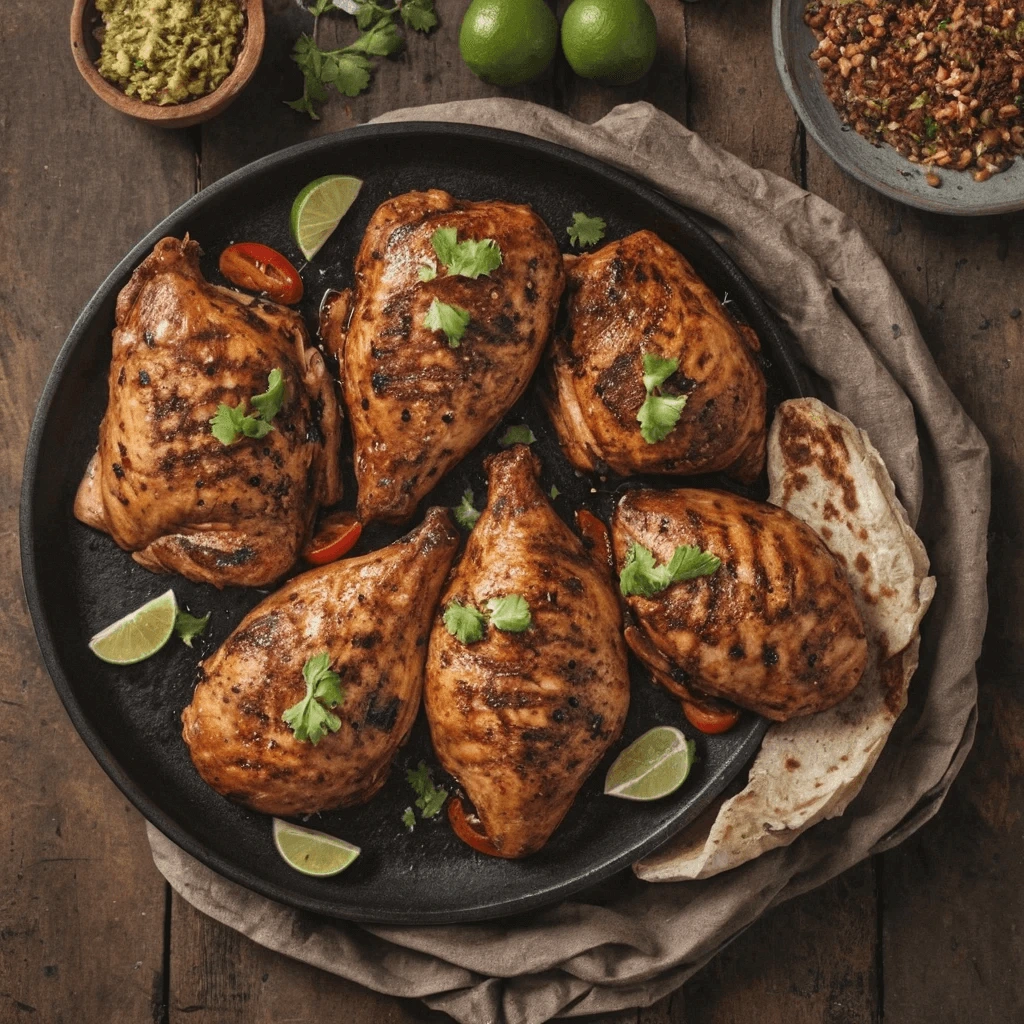
- Agave Syrup
Agave syrup, derived from the agave plant, is another great sweetener commonly used in Mexican cooking. It has a mild, smooth sweetness and dissolves easily in marinades. Its subtle flavor profile complements the smoky and spicy components of the marinade without overwhelming them. Agave also tends to have a lower glycemic index than honey, making it a popular choice for those looking to moderate their sugar intake. - Brown Sugar
Brown sugar, with its rich, molasses undertones, provides a deep, caramel-like sweetness that pairs exceptionally well with smoky ingredients like chipotle and paprika. The sweetness from brown sugar creates a wonderful balance with tangy citrus and spicy chili, and as the chicken cooks, it caramelizes, adding richness and a slight crispiness to the outside. - Fruit Juices
Adding fruit juices, such as orange or pineapple juice, can introduce a natural sweetness that brightens up the marinade. Orange juice, in particular, is a classic in Mexican marinades, offering both a tangy and sweet flavor profile that works in tandem with lime and chili to create a balanced, complex marinade. Pineapple juice, with its tropical sweetness and slight acidity, also pairs beautifully with grilled chicken, offering an additional layer of flavor. - Sweet Fruits (Like Mango or Peach)
In some cases, pureed fruits such as mango or peach can be incorporated into your marinade for natural sweetness. These fruits offer not only a pleasant sweetness but also a touch of floral or tropical notes that enhance the overall flavor of the chicken. Mango, in particular, has a velvety texture that can help the marinade adhere to the meat, while its natural sugars caramelize when grilled.
The Role of Sweetness in Balancing Heat and Tang
One of the key reasons for adding sweetness to a Mexican chicken marinade is to balance out the heat from chili peppers and the tang from citrus. The contrast between the heat of the peppers and the sweetness of honey or agave syrup helps prevent the marinade from becoming overwhelming or one-note. This creates a more dynamic and well-rounded flavor experience.
- Heat Control: When using hot chili peppers (like chipotle or cayenne), a little sweetness helps to tame the fiery spice, making the heat more tolerable while allowing it to still come through in the final dish.
- Tangy Balance: The acidity from lime or orange juice can be sharp, but when paired with sweetness, it softens and becomes more harmonious, preventing the citrus from feeling too sour or acidic.
Sweetness in the Cooking Process
While sweetness plays a major role in flavor, it also affects the way your chicken cooks:
- Caramelization: Sweeteners like honey or brown sugar help create a beautifully caramelized exterior as the chicken cooks, enhancing the texture and flavor. This is especially important when grilling or roasting the chicken, as it creates a desirable, slightly crispy crust while locking in moisture.
- Balance in Marinade: Sweetness helps the marinade “cling” to the chicken. The syrupy texture of honey or agave ensures that the marinade sticks to the surface, allowing it to infuse the chicken with flavor as it marinates.
How Much Sweetness Should You Use?
The key to using sweetness in your marinade is moderation. The goal is not to create a sugary marinade, but to add just enough sweetness to counterbalance the tangy and spicy elements. Here’s a general guideline for how much sweetness to use based on the amount of chicken:
- For every 1 lb (450g) of chicken, use about 1 tablespoon of honey, 1 teaspoon of agave syrup, or 1 tablespoon of brown sugar.
- Adjust the amount to taste. If you prefer a sweeter marinade, feel free to add a little more honey or fruit juice, but always ensure that the sweetness doesn’t overpower the other flavors.
Pairing Sweetness with Other Ingredients
Sweetness works best when paired with other key elements in your marinade to create a cohesive, flavorful experience:
- Smoky and Earthy Spices: Sweetness pairs beautifully with smoky chipotle or earthy cumin, which are common in Mexican marinades. These spices’ bold flavors are enhanced when balanced with a touch of sweetness.
- Citrus: Combine sweeteners with lime or orange juice to bring out the citrus’s natural flavor while ensuring the marinade remains balanced.
- Fresh Herbs: Sweetness complements the freshness of cilantro or oregano, creating a complex yet refreshing flavor profile that brightens up the entire dish.
Final Thoughts on Sweet Notes
Sweetness is an often-underestimated component of a Mexican chicken marinade, but it’s vital for creating a well-rounded, balanced flavor profile. By incorporating a touch of honey, agave syrup, or brown sugar, you can counteract the heat and tang of the marinade while adding depth and complexity. Sweet notes help enhance the overall dish, ensuring your chicken isn’t just flavorful but also rich, satisfying, and perfectly balanced.
Choose the Right Oil for Moisture and Flavor
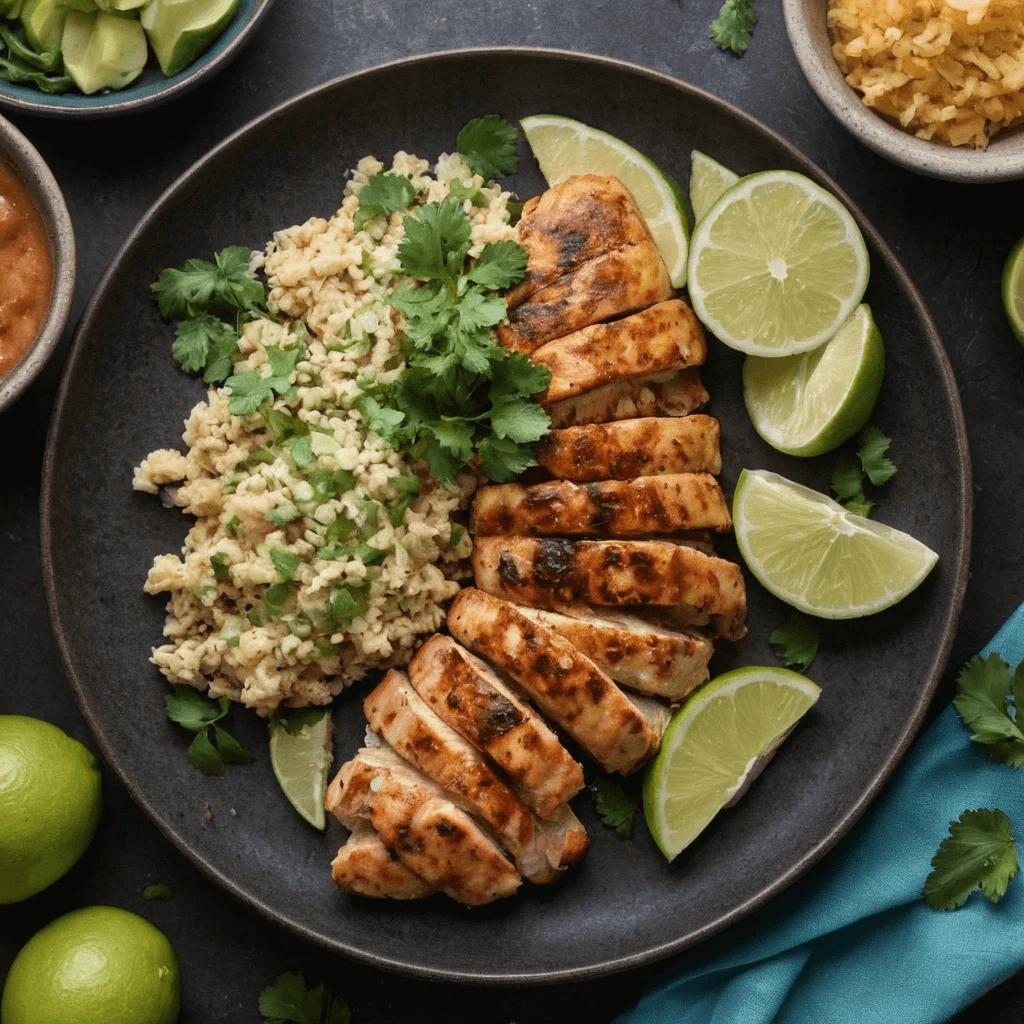
Olive Oil: The Key to Moisture and Flavor in Your Mexican Chicken Marinade
When it comes to creating the best Mexican chicken marinade, olive oil is a fundamental ingredient that should never be overlooked. While olive oil might not be the first thing that comes to mind when you think of Mexican cuisine, it plays a crucial role in enhancing the overall texture, moisture, and flavor of the marinade. The addition of olive oil helps to create a balanced marinade that adheres to the chicken and keeps it tender during cooking.
Why Olive Oil is Essential
One of the key benefits of olive oil in a marinade is its ability to lock in moisture. Chicken, especially lean cuts like breasts, can dry out during cooking, but olive oil helps to form a barrier on the meat, preventing excessive moisture loss. This results in a juicy and tender chicken every time, even if it’s grilled or roasted at high temperatures. When combined with acidic ingredients like lime juice or vinegar, olive oil also acts as an emulsifier, ensuring that all the flavors bind together evenly, providing a harmonious taste throughout the meat.
Additionally, olive oil serves as a flavor carrier, helping to infuse the chicken with the spices, herbs, and citrus in the marinade. Ingredients like garlic, cumin, and chipotle peppers can easily dissolve in the olive oil, allowing them to penetrate the meat more efficiently. This ensures that every bite is packed with the rich, aromatic flavors of your marinade, creating a depth of taste that goes beyond the surface.
Choosing the Right Olive Oil for Your Marinade
Not all olive oils are created equal. For your Mexican chicken marinade, it’s essential to choose a high-quality extra virgin olive oil. Extra virgin olive oil is cold-pressed, meaning it retains its full flavor profile, including fruity and peppery notes that can enhance the overall richness of the marinade. This type of olive oil has a stronger, more complex flavor compared to regular olive oil, which can be more neutral.
Using a good quality olive oil can elevate your marinade and provide an authentic, Mediterranean-inspired depth of flavor that complements the vibrant, bold ingredients typical of Mexican cuisine. You’ll notice that a high-quality olive oil will add a silky texture to the marinade and create a smoother coating on the chicken, which leads to a more flavorful result after cooking.
Olive Oil’s Role in Cooking
Aside from its role in the marinade, olive oil also contributes to the cooking process. When grilling or pan-searing chicken, olive oil helps to create a golden, crispy exterior while maintaining a tender interior. Its high smoking point makes it a versatile cooking fat, allowing it to withstand high heat without breaking down or imparting a burnt taste. This makes it perfect for grilling chicken, which can often dry out or become charred without the right fat.
In short, olive oil is not just an add-on ingredient—it’s a key element that brings together flavor, moisture, and texture. By including olive oil in your Mexican chicken marinade, you’re ensuring a delicious and juicy outcome with each meal.
Avocado Oil: The Healthy Fat that Enhances Your Mexican Chicken Marinade
When preparing a Mexican chicken marinade, the oil you choose plays an important role in achieving the perfect balance of flavor, moisture, and texture. While olive oil is a commonly used option, avocado oil is an increasingly popular choice that offers unique advantages in both health benefits and culinary performance. Avocado oil’s smooth, neutral flavor and impressive nutritional profile make it an excellent addition to any marinade.
Why Avocado Oil is Ideal for Marinades
Avocado oil is prized for its mild flavor, which allows it to blend seamlessly with the bold, zesty flavors typically found in Mexican cuisine. Whether you’re using lime, garlic, or cilantro, avocado oil’s neutral taste doesn’t overpower the other ingredients in the marinade. Instead, it helps to balance and enhance the flavor profile without masking the taste of the spices, citrus, or herbs. This makes it a perfect base for a Mexican chicken marinade, where the goal is to accentuate the bold and vibrant flavors rather than compete with them.
Beyond its flavor neutrality, avocado oil is packed with healthy monounsaturated fats, which are known for their positive effects on heart health. These fats help retain moisture in the chicken, ensuring that your meat remains juicy and tender after cooking. The presence of these healthy fats also ensures that your chicken absorbs more of the spices and herbs, resulting in a richer, more flavorful dish. When you marinate your chicken in avocado oil, it forms a protective barrier around the meat, locking in the moisture and preventing the chicken from drying out during cooking.
Health Benefits of Avocado Oil
In addition to being an excellent cooking oil, avocado oil provides a wealth of health benefits. It’s a rich source of vitamin E, which acts as a potent antioxidant, helping to protect the body from oxidative stress and inflammation. This is especially important when cooking with high-heat methods like grilling or roasting, as it helps prevent the oil from breaking down and maintaining its nutritional integrity.
Avocado oil is also packed with oleic acid, a monounsaturated fat that has been linked to reducing bad cholesterol (LDL) and increasing good cholesterol (HDL). This can contribute to better heart health and improved cardiovascular function. Additionally, beta-sitosterol, a plant sterol found in avocado oil, has been shown to support healthy cholesterol levels and may help in managing blood pressure. By using avocado oil in your marinade, you’re not only adding flavor to your chicken but also reaping these health benefits.
The Versatility of Avocado Oil in Cooking
What sets avocado oil apart from other oils is its high smoke point. With a smoke point of around 520°F (271°C), avocado oil can withstand higher cooking temperatures without breaking down or producing harmful compounds. This makes it an ideal choice for grilling or pan-searing your marinated chicken. As you cook your chicken, the oil helps to create a crispy, golden-brown crust on the exterior while keeping the inside moist and tender. Whether you’re grilling your chicken over high heat or slow-roasting it in the oven, avocado oil ensures that the chicken retains its juiciness and flavor.
In fact, because of its high smoke point, avocado oil is often preferred by chefs for various cooking techniques, including grilling, frying, and stir-frying. It’s also incredibly versatile—aside from being used in marinades, it can be drizzled over salads, added to sauces, or even used as a finishing oil to boost the flavor of your dish at the end of cooking.
Incorporating Avocado Oil into Your Mexican Chicken Marinade
Incorporating avocado oil into your marinade is easy. Simply replace the olive oil or other oils in your recipe with avocado oil. A typical ratio might be 1/4 cup of avocado oil for every 2-3 pounds of chicken. The oil will help to dissolve and distribute the flavors of the other ingredients like garlic, lime, chili powder, and cumin, creating a marinade that penetrates deeply into the meat, ensuring a consistent flavor profile throughout.
For an extra layer of flavor, try combining avocado oil with lime zest, cayenne pepper, or chipotle chili powder to add a kick of heat and smokiness to your marinade. The oil will help carry and intensify these spicy flavors, resulting in a beautifully balanced chicken dish with a smoky, zesty punch.
Additionally, avocado oil can serve as a base for sauces that accompany your grilled or roasted chicken. Whether you’re making a tangy salsa verde or a creamy avocado dipping sauce, this oil works wonderfully to add texture and a subtle richness to your sauces without overshadowing the other flavors.
Final Thoughts
In summary, avocado oil is a versatile, healthy, and flavorful addition to your Mexican chicken marinade. Its high smoke point, neutral flavor, and health benefits make it a standout choice for cooking. By including avocado oil in your marinade, you’ll not only be enhancing the texture and flavor of your chicken but also adding a nutritious element to your dish. The result is tender, juicy chicken with a perfectly balanced flavor, making it the ideal base for any Mexican-inspired meal.
Tips: Perfecting Your Mexican Chicken Marinade
Creating the perfect Mexican chicken marinade is a process that combines technique with a little bit of creativity. While following the basic principles of flavor balance is important, there are several tips and tricks that can elevate your marinade and help you achieve that perfect blend of flavors, tenderness, and moisture in your chicken. Here are some expert tips to ensure your chicken turns out restaurant-quality every time:
1. Marinate for Long Enough, But Not Too Long
One of the most crucial tips for a great marinade is to allow your chicken to marinate long enough to absorb the flavors, but not so long that the meat becomes mushy. Typically, 30 minutes to 2 hours is ideal for chicken breasts, as they’re lean and absorb marinades quickly. For more flavorful cuts like thighs or drumsticks, you can marinate them for up to overnight (12 hours). However, avoid marinating for more than 24 hours as the acid in the marinade (like lime or vinegar) can break down the proteins too much, leading to a mushy texture.
2. Use a Ziploc Bag or Airtight Container
To ensure the marinade evenly coats the chicken, use a Ziploc bag or an airtight container. When using a bag, you can massage the marinade into the chicken, ensuring that all pieces are coated evenly. The bag also reduces the air exposure, keeping the chicken submerged in the marinade. This technique helps the flavors penetrate deeply into the meat for a more flavorful result. If you’re using a container, ensure that the chicken is fully covered with the marinade, turning it once or twice during the marination period to ensure uniform flavor distribution.
3. Don’t Forget to Season the Chicken Before Cooking
While marinating is an essential step, don’t forget to season the chicken just before cooking. Even after marinating, a final touch of salt and pepper can elevate the flavors. You can also sprinkle some cumin, paprika, or chili powder for an added layer of flavor on the surface of the chicken before grilling, baking, or pan-searing. This extra seasoning will create a delicious crust on the chicken, giving it an extra depth of flavor.
4. Add a Sweet Element for Balance
Mexican chicken marinades often have a spicy or tangy kick, but a touch of sweetness can provide a delightful balance to those bold flavors. Adding a tablespoon of honey, agave syrup, or even pineapple juice can add complexity to your marinade and help balance out the acidity of citrus or the heat of chili peppers. The sweetness also helps create a caramelized exterior when grilled, contributing to that delicious golden-brown finish. Just remember, a little goes a long way!
5. Use Fresh Ingredients When Possible
For the best flavor, use fresh ingredients in your Mexican chicken marinade rather than dried or processed alternatives. Fresh garlic, cilantro, and limes have much more vibrant flavors compared to their dried or bottled counterparts. Fresh ingredients give your marinade a brighter, more aromatic profile, making your chicken much more flavorful and fragrant. While dried herbs and spices can be convenient, using fresh cilantro, fresh lime juice, and fresh garlic makes all the difference.
6. Always Preheat Your Grill or Pan
Once your chicken has marinated to perfection, make sure your grill or pan is preheated before adding the chicken. A hot surface helps to sear the chicken quickly, locking in the juices and creating that perfect crispy, golden-brown exterior while keeping the inside tender and juicy. If grilling, aim for a medium-high heat. If pan-searing, make sure the pan is well-oiled and hot before adding the chicken. This ensures you get that perfect caramelized texture and prevents the chicken from sticking.
7. Don’t Overcrowd the Grill or Pan
It’s tempting to cook multiple pieces of chicken at once, but overcrowding your grill or pan can cause the chicken to cook unevenly. When there’s not enough space, the chicken may steam rather than sear, leading to a less-than-ideal texture. Instead, cook the chicken in batches to ensure it has enough room for the heat to circulate and create that perfect crispy crust. This will help each piece cook evenly, ensuring a consistent texture and flavor throughout.
8. Let the Chicken Rest After Cooking
Once your chicken is cooked to perfection, let it rest for a few minutes before cutting into it. This allows the juices to redistribute throughout the meat, resulting in a more tender and flavorful bite. Cutting into the chicken immediately after cooking will cause the juices to spill out, making the meat drier. By allowing it to rest for about 5-10 minutes, you’ll retain that juiciness, ensuring a more flavorful and succulent chicken.
9. Experiment with Different Flavor Combinations
While there are classic ingredients that define a traditional Mexican chicken marinade, don’t be afraid to experiment with different spices, herbs, and liquids. Add smoked paprika for a deep, smoky flavor or toss in some orange juice for a fruity twist. You can also include a bit of tequila for an added kick or a splash of soy sauce for an umami depth. Mexican cuisine is all about bold, adventurous flavors, so feel free to get creative with your marinades and discover new combinations that suit your tastes.
By following these tips, you’ll be able to master the art of Mexican chicken marinades and create a dish that’s packed with bold, balanced flavors. With the right techniques and the perfect blend of ingredients, you can take your chicken to the next level, whether you’re grilling, baking, or pan-searing. Happy cooking!
Marinate for the Right Amount of Time
Short Marination: A Quick Yet Flavorful Approach
While many recipes advocate for long marination times to fully infuse flavors into chicken, there are situations when time is limited, and you need to prepare a delicious dish in a pinch. Short marination can be just as effective when done right, allowing you to enjoy tender, flavorful Mexican chicken without hours of preparation. Here’s how to maximize the impact of a short marination period and still achieve mouthwatering results.
Why Short Marination Works
Short marination focuses on delivering a punch of flavor in a fraction of the time. When you use the right ingredients and techniques, the outer layers of the chicken absorb bold, aromatic flavors quickly, ensuring the dish is still satisfying and delicious. The key is to use potent, concentrated ingredients that penetrate the surface of the chicken rapidly, such as acidic components, strong spices, and finely minced aromatics.
In just 15 to 30 minutes, you can create a marinade that imparts enough flavor to elevate the taste of the chicken. This method is particularly useful for smaller cuts like chicken tenders, strips, or butterflied breasts, as their thinner profile allows the marinade to coat and penetrate more efficiently.
Key Ingredients for Effective Short Marination
- Acidic Components
Acids like lime juice, vinegar, or orange juice act quickly to tenderize the chicken and add brightness to the flavor profile. These components work to break down proteins on the chicken’s surface, allowing the spices and herbs to adhere more effectively. - Bold Spices and Herbs
When marinating for a short time, the choice of spices and herbs becomes even more critical. Ingredients like cumin, paprika, garlic powder, and chili powder pack a concentrated flavor punch and are easily absorbed by the chicken. Freshly minced cilantro or garlic also works well, delivering immediate aromatic impact. - Oil as a Carrier
Using an oil like avocado oil or olive oil helps the flavors in the marinade stick to the chicken while also locking in moisture. The oil coats the chicken evenly, ensuring even cooking and a juicy texture, even with minimal marination time. - Salt for Quick Flavor Penetration
Salt is a critical ingredient in any marinade, but it’s especially important when marinating for a short time. Salt not only enhances flavor but also helps the chicken absorb the marinade more quickly by drawing the flavors into the meat through osmosis.
Techniques for Maximizing Flavor in Short Marination
- Cut the Chicken into Smaller Pieces
The smaller the chicken pieces, the faster they will absorb the marinade. Consider cutting chicken breasts into thin fillets or strips to reduce the marination time. For chicken thighs, trimming excess fat and creating shallow slashes can help the marinade seep into the meat more efficiently. - Massage the Marinade into the Chicken
After adding the marinade to the chicken, take a few moments to massage it into the meat. This ensures that every surface is coated evenly and allows the ingredients to start working immediately. - Use a Vacuum-Sealed or Airtight Bag
Marinating the chicken in a Ziploc bag or vacuum-sealed bag can significantly speed up the process. The airtight environment allows the flavors to concentrate around the chicken and prevents air from diluting the impact of the marinade. - Room Temperature Marination
For short marination times, leaving the chicken at room temperature (rather than refrigerating) can accelerate the process. However, avoid leaving the chicken out for more than 30 minutes to ensure food safety. This technique allows the flavors to develop more quickly without the cold inhibiting the marination process.
Cooking Methods to Complement Short Marination
When marinating for a short time, how you cook the chicken plays a significant role in enhancing the flavors. High-heat cooking methods like grilling, broiling, or pan-searing can create a delicious caramelized crust that intensifies the flavor of the spices and acids in the marinade. Be sure to preheat your grill or pan to achieve that golden-brown exterior quickly without overcooking the meat.
If you’re roasting or baking, consider using a high-temperature oven (around 425°F or 220°C) to create a similar effect. Brush any leftover marinade onto the chicken before cooking for an added layer of flavor.
When to Opt for Short Marination
Short marination is perfect for busy weeknights or when you’re looking for a quick yet flavorful dish. It’s also an excellent choice for recipes where the chicken is paired with bold sauces or toppings, like salsa verde, guacamole, or pico de gallo, as these accompaniments can compensate for any flavors that didn’t fully penetrate the meat.
Final Thoughts
Short marination doesn’t mean compromising on flavor. By using the right combination of ingredients and techniques, you can create a quick, vibrant Mexican chicken marinade that delivers a burst of flavor in minutes. Whether you’re grilling, pan-searing, or baking, this method ensures you can enjoy a delicious, satisfying meal even on the busiest of days.
Overnight Magic: Unlocking Maximum Flavor Through Extended Marination
When it comes to achieving truly exceptional flavor in your Mexican chicken, overnight marination is a game-changer. Allowing your chicken to marinate for an extended period gives the ingredients ample time to fully penetrate the meat, resulting in a dish that’s rich, tender, and bursting with complex flavors. With proper planning and the right techniques, the magic of overnight marination can elevate your chicken to restaurant-quality levels.
Why Overnight Marination Works Wonders
Marinating your chicken overnight allows the acidic components, spices, and aromatics in the marinade to gradually work their way into the meat. This extended contact time deepens the flavor profile, ensuring that every bite is infused with the vibrant and bold tastes of Mexican cuisine. Acids like lime juice or vinegar tenderize the meat over time, breaking down proteins to create a softer, juicier texture.
Furthermore, the prolonged exposure to spices such as cumin, paprika, and chili powder helps the chicken absorb these flavors more thoroughly. The result is a dish where the seasoning isn’t just on the surface but permeates every part of the meat.
How to Prepare for Overnight Marination
- Use the Right Ingredients
When marinating overnight, balance is key. While acids are excellent for tenderizing, too much acidity can cause the chicken to become mushy if left for too long. To avoid this, limit the amount of acidic ingredients like lime or vinegar and balance them with oil and spices. A good ratio is:- 1 part acid (lime juice, orange juice, or vinegar)
- 2 parts oil (olive oil, avocado oil)
- Generous spices and herbs (garlic, cilantro, cumin, paprika, etc.)
- Choose the Right Cuts of Chicken
Bone-in and skin-on cuts like thighs, drumsticks, or whole chicken pieces are ideal for overnight marination. These cuts can withstand extended marination without becoming over-tenderized, unlike thinner pieces such as chicken breasts, which may require a shorter marination period to maintain their texture. - Use an Airtight Container or Bag
Store the marinating chicken in a Ziploc bag or a glass, airtight container to prevent air from entering and drying out the meat. Massage the marinade into the chicken before sealing the container, ensuring that all surfaces are well coated. - Refrigeration is Essential
Always refrigerate your marinating chicken to prevent bacterial growth. While the flavors develop, keeping the chicken at a cool temperature ensures it remains safe to eat.
Benefits of Overnight Marination
- Enhanced Tenderness
The slow process of acid-based tenderization helps break down tough muscle fibers in the chicken, creating a melt-in-your-mouth texture that’s especially appealing in cuts like thighs and drumsticks. - Depth of Flavor
Overnight marination ensures that the spices and herbs penetrate beyond the surface of the chicken. The extended contact time allows the flavors to meld together, creating a cohesive and harmonious taste profile that’s noticeable with every bite. - Ease of Preparation
Preparing the marinade the night before reduces stress on cooking day. Once the chicken is marinated, all you need to do is cook it, saving time while delivering maximum flavor.
Tips for Successful Overnight Marination
- Don’t Overdo the Acid
Acids are powerful tenderizers, but too much can lead to an unpleasant texture. Stick to the recommended amounts and avoid marinating delicate cuts like chicken breasts for more than 12 hours. - Turn the Chicken Occasionally
If possible, turn or flip the chicken in the marinade once or twice during the marination process. This ensures even flavor distribution and prevents some pieces from soaking up more marinade than others. - Remove Excess Marinade Before Cooking
Before cooking, lightly pat the chicken with a paper towel to remove excess marinade. This helps the chicken develop a nice crust when grilled or pan-seared, rather than steaming in excess liquid. - Pair with Complementary Sauces or Sides
After marinating overnight, serve your chicken with sides that enhance its flavor. Consider pairing it with salsa verde, guacamole, or Mexican rice to complete the dish.
Cooking Techniques for Marinated Chicken
After marinating overnight, cooking your chicken properly is just as important as the marinade itself. High-heat cooking methods like grilling, broiling, or pan-searing work best to create a crispy, caramelized exterior while locking in the juices. For bone-in pieces, roasting in the oven at 375°F (190°C) allows the meat to cook through evenly without drying out.
If grilling, baste the chicken with leftover marinade during the first half of cooking to intensify the flavors. Be sure to discard any marinade that has come into contact with raw chicken after basting to ensure food safety.
Final Thoughts
Overnight marination is the key to creating Mexican chicken that’s deeply flavorful, tender, and irresistibly juicy. By allowing the spices, herbs, and acids to work their magic over time, you’ll achieve a level of flavor that shorter marination simply can’t replicate. With a little bit of planning and care, you’ll transform your chicken into a show-stopping dish that’s sure to impress at any gathering or family meal.
Avoid Overdoing It: Striking the Right Balance in Your Marinade
While it’s tempting to go all out when creating a Mexican chicken marinade—adding more spices, acids, and sweeteners for maximum flavor—there’s a fine line between enhancing your dish and overwhelming it. Overdoing your marinade can lead to a dish that’s overly acidic, excessively spicy, or unbalanced, detracting from the enjoyment of your chicken. Here’s how to avoid these common pitfalls and strike the perfect balance.
1. Watch the Acid Content
Acidic ingredients like lime juice, vinegar, and citrus juices are key to tenderizing chicken and adding tangy brightness to the flavor profile. However, using too much acid or marinating for too long can cause the chicken’s texture to deteriorate, turning it mushy rather than tender.
Tips to Avoid Over-Acidity:
- Stick to the recommended ratio: 1 part acid to 2 parts oil.
- For delicate cuts like chicken breasts, limit the marination time to 30 minutes to 2 hours.
- Balance the acid with oil, sweeteners, and neutral ingredients like yogurt or sour cream if applicable.
2. Don’t Overdo the Spices
Spices are a cornerstone of Mexican cuisine, but adding too much can result in a marinade that’s overpowering or even bitter. For example, excessive amounts of chili powder, cumin, or paprika can mask the chicken’s natural flavor or create an unbalanced heat profile.
Tips for Balanced Spices:
- Use a measured approach, starting with 1-2 teaspoons of each spice for a standard marinade serving.
- Combine bold spices with milder options like garlic powder, onion powder, or dried oregano to create depth without overwhelming the palate.
- Taste-test the marinade before adding the chicken to ensure the spices are harmonious.
3. Go Easy on the Sweeteners
Sweet elements like honey, agave syrup, or pineapple juice can balance the tangy and spicy components of a marinade. However, too much sweetness can result in a dish that tastes cloying or causes the chicken to burn during high-heat cooking methods like grilling.
Tips for Sweetener Usage:
- Use sweeteners sparingly, starting with just 1-2 tablespoons per batch of marinade.
- Avoid using solely sugary ingredients; pair sweetness with contrasting flavors like lime juice or garlic to maintain balance.
- If grilling, monitor the chicken closely to prevent the natural sugars from caramelizing too quickly and charring.
4. Avoid Over-Salting
Salt is essential for flavor and helps tenderize the chicken by drawing moisture into the meat. However, over-salting your marinade can lead to chicken that’s overly salty and less enjoyable.
Tips for Proper Salt Levels:
- Start with about 1 teaspoon of salt per pound of chicken in the marinade.
- Use low-sodium alternatives, like reduced-sodium soy sauce, if your marinade contains multiple salty components.
- Avoid adding additional salt during cooking unless necessary, as the marinade already provides seasoning.
5. Don’t Overcrowd the Flavors
A successful Mexican chicken marinade balances multiple flavor elements: tangy, spicy, sweet, savory, and smoky. Overloading the marinade with too many competing ingredients can result in a muddled taste where no single flavor stands out.
Tips for Simplicity and Balance:
- Stick to 3-5 key flavors in your marinade to keep it cohesive. For example, a classic combination might include lime juice, cumin, chili powder, garlic, and cilantro.
- Avoid adding excessive amounts of highly aromatic ingredients like raw onion or cloves, as these can dominate the flavor profile.
- Taste the marinade as you go, adjusting for balance rather than adding more ingredients indiscriminately.
6. Be Mindful of Marination Time
Even with a perfectly balanced marinade, leaving the chicken in it for too long can have negative effects. Over-marinating can lead to a loss of texture or result in flavors that are too intense.
Tips for Optimal Marination Time:
- For lean cuts like chicken breasts, marinate for 30 minutes to 2 hours.
- For bone-in pieces like thighs or drumsticks, you can marinate for up to 12 hours or overnight.
- Avoid marinating any chicken for more than 24 hours, as the acid and salt will start to break down the proteins excessively.
Final Thoughts
When it comes to crafting a Mexican chicken marinade, less is often more. By avoiding the pitfalls of over-seasoning, over-salting, or over-marinating, you can create a dish that’s perfectly balanced and highlights the natural flavors of the chicken. A thoughtfully balanced marinade ensures that every bite is packed with the vibrant, bold, and delicious essence of Mexican cuisine without overwhelming the palate.
Cooking Tips for Maximum Flavor
Grilling: The Perfect Cooking Method for Mexican Chicken
Grilling is more than just a way to cook marinated chicken; it’s an art form that enhances flavor, adds texture, and creates the perfect smoky aroma synonymous with Mexican cuisine. The direct heat of the grill not only locks in the marinade’s bold flavors but also caramelizes the sugars and spices, creating a slightly charred, mouthwatering crust. Here’s how to make the most of grilling your Mexican chicken.
Why Grilling Works Best for Mexican Chicken
Grilling excels at intensifying the flavors of marinated chicken because of its high-heat, dry cooking method. The heat sears the surface, locking in moisture, while the grill’s smoky flavor complements the tangy, spicy, and savory notes of the marinade. This method is especially effective for cuts like thighs, drumsticks, and butterflied chicken breasts.
Preparation Tips for Grilling Marinated Chicken
- Preheat the Grill
Always preheat your grill to medium-high heat (around 375–450°F or 190–230°C) before placing the chicken on the grates. This ensures even cooking and helps prevent sticking. For charcoal grills, wait until the coals turn gray and emit steady heat. - Clean and Oil the Grates
A clean grill prevents flare-ups and ensures the chicken doesn’t stick. Use a grill brush to remove any residue, then lightly oil the grates with a heat-resistant brush or paper towel soaked in oil. - Remove Excess Marinade
Shake off excess marinade from the chicken before grilling. While some residual marinade is fine, too much can drip onto the flames, causing flare-ups that might burn the chicken’s exterior. - Season the Chicken Again (Optional)
For an added flavor boost, sprinkle a pinch of salt, cumin, or smoked paprika directly onto the chicken before grilling. This enhances the crust and intensifies the flavors of the marinade.
Grilling Techniques for Mexican Chicken
- Direct vs. Indirect Heat
- Direct Heat: Use direct heat for thin cuts like boneless chicken breasts, wings, or thighs. Cook them quickly to develop a good sear without overcooking.
- Indirect Heat: For bone-in cuts or larger pieces, start with indirect heat to cook the chicken through, then finish over direct heat to achieve a crispy, charred exterior.
- Monitor the Cooking Time
Overcooked chicken can become dry, so keep an eye on the clock. Here are approximate cooking times:- Boneless chicken breasts: 5–7 minutes per side
- Thighs or drumsticks: 8–10 minutes per side
- Butterflied whole chicken: 15–20 minutes per side (use indirect heat).
- Use a Meat Thermometer
To ensure the chicken is perfectly cooked, use a meat thermometer. Chicken is safe to eat when it reaches an internal temperature of 165°F (74°C). Insert the thermometer into the thickest part of the meat without touching the bone. - Turn the Chicken Sparingly
Resist the urge to flip the chicken too often. Allow it to cook undisturbed on each side to develop those signature grill marks and caramelized edges.
Adding Smoky Flavor
- Wood Chips or Chunks
For a true smoky flavor, add wood chips like mesquite, hickory, or applewood to the grill. Soak the chips in water for 30 minutes beforehand to prevent them from burning too quickly. - Charred Vegetables as Garnish
While the chicken grills, throw on some vegetables like onions, peppers, or corn to char alongside. These grilled veggies add texture and complement the chicken’s bold flavors.
Serving Suggestions for Grilled Mexican Chicken
Once grilled, let the chicken rest for 5–10 minutes to allow the juices to redistribute. Serve it with classic Mexican accompaniments like:
- Warm tortillas: Use the chicken to make tacos, fajitas, or burritos.
- Fresh salsas: Pair with pico de gallo, salsa verde, or mango salsa for a burst of freshness.
- Sides: Grilled Mexican street corn (elote), cilantro lime rice, or black beans.
Troubleshooting Common Grilling Issues
- Flare-Ups
To prevent flare-ups, avoid leaving too much marinade on the chicken, and keep a spray bottle of water nearby to tame any sudden flames. - Dry Chicken
If the chicken is coming out dry, try basting it with additional marinade during the cooking process. Ensure not to baste during the last few minutes of grilling to avoid contamination from raw marinade. - Uneven Cooking
For thick cuts, pound the chicken to an even thickness before marinating to ensure even cooking. Alternatively, finish cooking larger pieces in the oven after grilling for a perfect interior texture.
Final Thoughts
Grilling Mexican chicken is a celebration of bold flavors, tantalizing aromas, and irresistible textures. By following these tips and techniques, you’ll achieve beautifully grilled chicken every time, with a perfect balance of smokiness, char, and marinade-infused goodness. Whether it’s for a backyard barbecue or a weeknight dinner, grilled Mexican chicken is sure to impress and satisfy.
Baking or Roasting: A Convenient Way to Cook Mexican Chicken
Baking or roasting is an excellent method for preparing marinated Mexican chicken, especially when you want a hands-off approach that still delivers juicy, flavorful results. This technique evenly cooks the chicken, allowing the marinade’s bold spices and tangy flavors to infuse the meat while creating a beautifully caramelized exterior. Whether you’re cooking for a family dinner or meal prepping for the week, baking or roasting offers a reliable and delicious way to bring out the best in your Mexican chicken marinade.
Why Choose Baking or Roasting?
- Even Cooking: Baking ensures uniform heat distribution, which is ideal for cooking chicken evenly without drying it out.
- Caramelization: The high, consistent heat promotes the caramelization of sugars in the marinade, enhancing the dish’s flavor with a slightly sweet, smoky crust.
- Convenience: With baking, you can marinate the chicken, place it in the oven, and let the heat do the work, freeing you up for other tasks.
- Versatility: Baking works well for all cuts of chicken—breasts, thighs, drumsticks, or even whole chicken.
Preparation Tips for Baking or Roasting Mexican Chicken
- Preheat the Oven
Preheat your oven to 375°F (190°C) for bone-in cuts or 400°F (200°C) for boneless pieces. A hot oven helps achieve a golden, slightly crisp exterior while keeping the inside juicy. - Choose the Right Baking Dish
Use a baking dish or sheet with high sides to catch any juices that may drip during cooking. For even cooking, arrange the chicken in a single layer without overcrowding the pan. Line the dish with aluminum foil or parchment paper for easy cleanup. - Use a Rack for Crispy Results
For crispy skin or edges, place the chicken on a wire rack set over a baking sheet. This allows hot air to circulate around the chicken, ensuring even browning. - Prepare the Chicken Properly
Remove excess marinade before baking to avoid soggy chicken. Pat the pieces dry lightly, leaving enough marinade clinging to coat the surface. This ensures a flavorful crust without excess liquid pooling in the pan.
Baking Times for Different Cuts
- Boneless Chicken Breasts: Bake for 20–25 minutes, depending on thickness. Use a meat thermometer to ensure they reach an internal temperature of 165°F (74°C).
- Chicken Thighs (Bone-In): Bake for 35–40 minutes until the internal temperature reaches 175°F (80°C) for maximum tenderness.
- Chicken Drumsticks: Roast for 40–45 minutes, turning halfway for even browning.
- Whole Chicken: Roast at 375°F (190°C) for 20 minutes per pound, or until the internal temperature at the thickest part of the breast reaches 165°F (74°C).
Techniques for Enhanced Flavor and Texture
- Baste the Chicken
During baking, baste the chicken with its juices or a reserved portion of the marinade every 10–15 minutes. This adds moisture and helps develop a rich glaze on the surface. - Broil for a Crispy Finish
For an extra-crispy and slightly charred finish, switch to the broil setting for the last 2–3 minutes of cooking. Keep a close eye to prevent burning. - Add Vegetables to the Pan
Include vegetables like bell peppers, onions, zucchini, or potatoes in the same pan as the chicken. They’ll soak up the flavorful juices, creating a one-pan meal that complements the chicken perfectly.
Tips for Optimal Baking or Roasting
- Marinate Overnight
For the best flavor, marinate the chicken overnight to let the spices, herbs, and acidic elements penetrate deeply into the meat. - Don’t Skip Resting Time
After baking, let the chicken rest for 5–10 minutes before slicing or serving. This allows the juices to redistribute throughout the meat, ensuring every bite is tender and moist. - Monitor Internal Temperature
Always use a meat thermometer to avoid undercooking or overcooking. Insert it into the thickest part of the chicken, ensuring it doesn’t touch the bone for an accurate reading. - Use the Right Marinade Balance
Balance the marinade with oil, acid, and spices to ensure the chicken doesn’t become too acidic or salty during baking. A well-rounded marinade will caramelize beautifully without overwhelming the natural flavor of the chicken.
Serving Ideas for Baked Mexican Chicken
Baked Mexican chicken pairs beautifully with a variety of sides and toppings. Here are some suggestions:
- Tacos: Shred the baked chicken and serve it in warm tortillas with salsa, guacamole, and shredded cheese.
- Burrito Bowls: Add the chicken to a bowl with cilantro lime rice, black beans, and roasted vegetables.
- Salads: Slice the chicken and top a bed of mixed greens with avocado, tomatoes, and a zesty lime vinaigrette.
- Rice Dishes: Serve the chicken with Mexican rice or quinoa for a hearty, satisfying meal.
Final Thoughts
Baking or roasting Mexican chicken is a simple yet highly effective way to achieve tender, flavorful, and visually appealing results. With the right preparation, marination, and cooking techniques, you can create a dish that highlights the vibrant spices and bold flavors of Mexican cuisine. Whether served as a standalone dish or as part of a larger meal, baked Mexican chicken is sure to be a crowd-pleaser.
Pan-Searing: Quick and Flavorful Mexican Chicken Cooking
Pan-searing is a fantastic method for cooking Mexican chicken when you’re looking for a quick, efficient, and flavor-packed meal. This high-heat cooking technique creates a beautifully golden crust that locks in the juices and intensifies the bold flavors of the marinade. Whether you’re preparing a weeknight dinner or adding a touch of gourmet flair to your meal, pan-searing offers convenience and versatility while ensuring delicious results.
Why Pan-Searing Works for Mexican Chicken
- Flavorful Crust: The direct contact with the hot pan caramelizes the marinade’s sugars and spices, forming a flavorful crust.
- Quick Cooking: Pan-searing is ideal for thin cuts of chicken, delivering perfectly cooked results in minutes.
- Versatile Applications: Pan-seared chicken can be served as-is, added to salads, or used in tacos, burritos, and fajitas.
Preparation Tips for Pan-Searing
- Choose the Right Pan
Use a heavy-bottomed skillet or cast-iron pan for even heat distribution and better browning. A nonstick skillet can also work but may not achieve the same deep caramelization. - Preheat the Pan
Heat your pan over medium-high heat for a few minutes before adding oil. A hot pan ensures the chicken sizzles on contact, creating a perfect sear. - Select the Right Oil
Use oils with a high smoke point, like avocado oil or canola oil, to prevent burning during high-heat cooking. Avoid using extra virgin olive oil, as it can scorch at high temperatures. - Prepare the Chicken
- Remove excess marinade to prevent steaming instead of searing.
- Pat the chicken dry with paper towels while leaving enough marinade residue to flavor the crust.
- Season lightly with salt and pepper, if desired, to enhance the marinade’s flavors.
Pan-Searing Techniques
- Don’t Overcrowd the Pan
Arrange the chicken pieces in a single layer with space between them. Overcrowding the pan traps steam, leading to uneven cooking and soggy textures. - Let It Sizzle
Once the chicken is in the pan, avoid moving it for the first few minutes. This allows the bottom to develop a golden-brown crust. Flip only when the edges are visibly browned and the chicken releases easily from the pan. - Cook in Batches
If you’re cooking multiple pieces, work in batches to ensure consistent browning and avoid cooling the pan. - Monitor Cooking Time
- Thin chicken breasts or cutlets: Cook for 3–5 minutes per side until golden and fully cooked.
- Thicker pieces or bone-in cuts: Reduce the heat slightly after searing and finish cooking in the pan with a lid or transfer to the oven for thorough cooking.
- Deglaze for Extra Flavor
After removing the chicken, deglaze the pan with a splash of lime juice, chicken broth, or white wine to create a quick sauce. Scrape up the browned bits (fond) to maximize flavor.
Pro Tips for Perfect Pan-Searing
- Marination Time:
Ensure the chicken is well-marinated (preferably overnight) to allow the flavors to penetrate deeply. - Butter for Browning:
Add a small pat of butter during the last minute of cooking for a golden, flavorful finish. The butter will combine with the browned bits in the pan to enhance the richness. - Rest Before Serving:
After pan-searing, let the chicken rest for 5–7 minutes to retain its juices and make slicing easier.
Creative Serving Ideas for Pan-Seared Mexican Chicken
- Tacos: Slice the chicken and serve it in soft tortillas with pico de gallo, guacamole, and cotija cheese.
- Burrito Bowls: Add the seared chicken to a bowl of cilantro lime rice, black beans, and roasted vegetables.
- Salads: Pair with fresh greens, avocado, corn, and a zesty lime vinaigrette for a refreshing salad.
- Sandwiches or Wraps: Layer the chicken on a toasted bun or wrap it in flatbread with creamy chipotle mayo.
Common Pitfalls to Avoid
- Burnt Marinade:
If the marinade contains a lot of sugar or sweet ingredients (like honey or agave), it can burn quickly. Lower the heat slightly or cook in smaller batches to control caramelization. - Uneven Cooking:
Pounding the chicken to an even thickness before marinating ensures uniform cooking during pan-searing. - Dry Chicken:
Avoid overcooking by using a meat thermometer. Chicken is done when the internal temperature reaches 165°F (74°C).
Final Thoughts
Pan-searing is a simple yet impactful way to prepare marinated Mexican chicken, delivering restaurant-quality results at home. With its crispy, golden exterior and juicy, flavorful interior, pan-seared chicken is versatile, delicious, and perfect for a variety of dishes. Mastering this technique will make it your go-to cooking method for quick, flavorful meals inspired by Mexican cuisine.
Conclusion
Mastering the art of creating a Mexican chicken marinade is all about striking the right balance between vibrant flavors, fresh ingredients, and proper techniques. These tips—incorporating fresh herbs, the zing of citrus, the depth of spices, and just the right touch of sweetness—ensure your chicken turns out juicy, flavorful, and irresistible every time. A great marinade not only enhances the chicken but also becomes the foundation of unforgettable meals.
Why not try this marinade in your favorite Mexican dishes? Transform your tacos, fajitas, enchiladas, or burrito bowls with chicken that’s bursting with bold, authentic flavors. The versatility of this marinade ensures that every meal is a fiesta for your taste buds!