
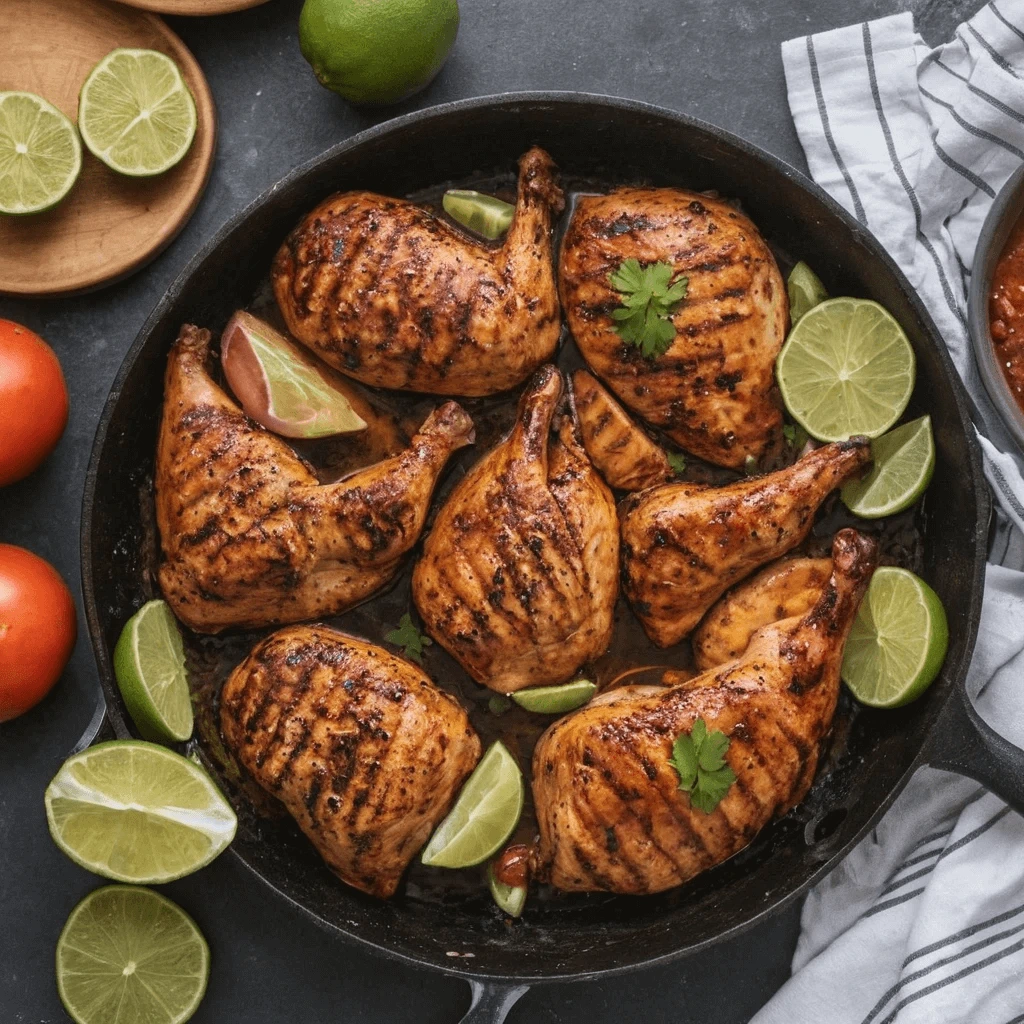
Grilling season is the perfect time to experiment with bold, exciting flavors. what better way to elevate your chicken than with a delicious Mexican-inspired marinade? Whether you’re hosting a weekend BBQ or enjoying a quiet dinner . the right marinade can make all the difference in transforming ordinary chicken into something extraordinary.
In this guide, we’ll walk you through . how to make the best Mexican chicken marinade for grilling. packed with vibrant flavors from zesty lime, smoky spices . fresh cilantro. Not only will we show you the essential ingredients. but we’ll also share expert tips on marinating .grilling to ensure your chicken comes out tender, juicy . bursting with flavor. Get ready to take your grilling game to the next level!
Why a Good Marinade is Key for Grilling Chicken
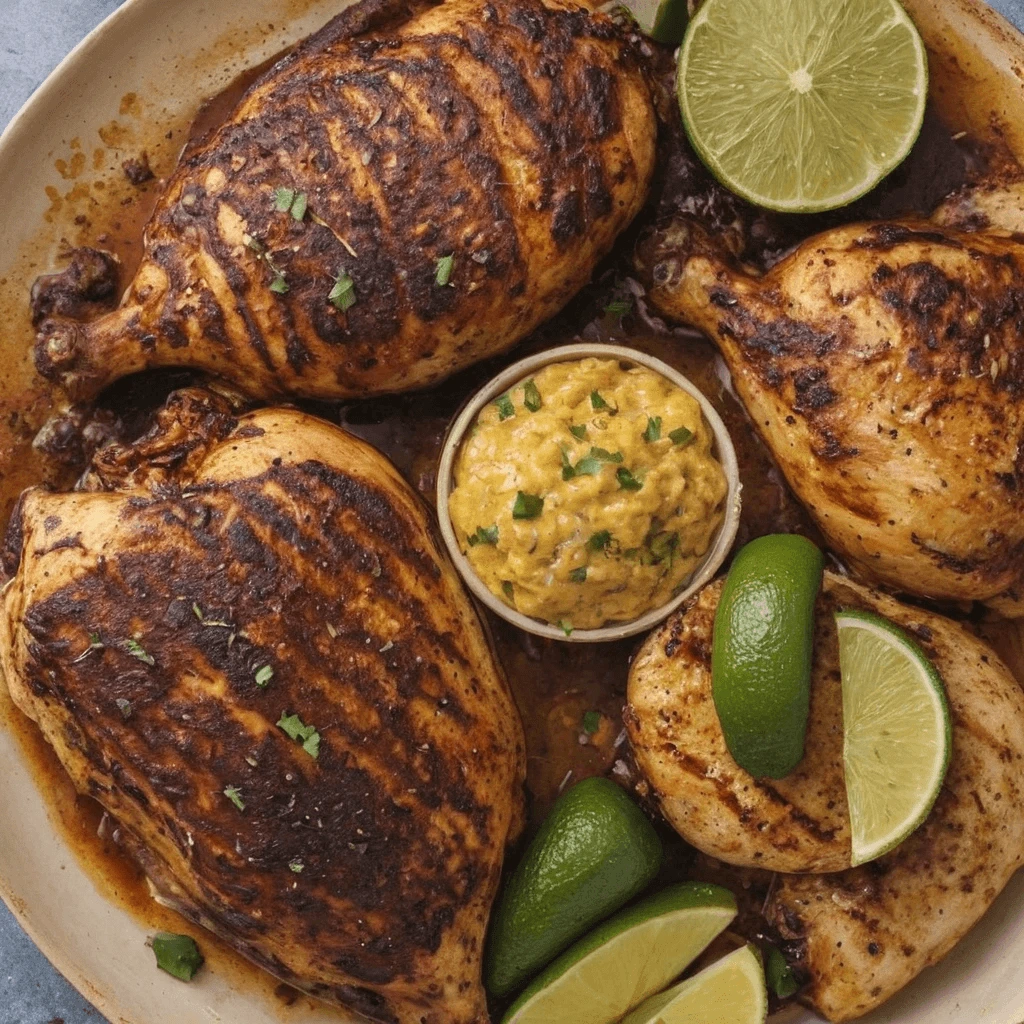
Enhances Flavor
Mexican chicken marinade When it comes to grilling chicken, the key to achieving exceptional taste lies in the marinade. A Mexican chicken marinade doesn’t just season the surface; it penetrates the meat, infusing it with complex flavors that enhance its natural taste. From citrus and spices to herbs and sweeteners, each ingredient contributes to an unforgettable flavor profile that’s perfect for grilling. Let’s take a closer look at how each element works to enhance the overall flavor of the chicken:
Citrus Elements (Lime and Orange)
The tangy acidity of lime juice is one of the defining characteristics of a Mexican marinade. Lime doesn’t just provide a zesty kick—it acts as a tenderizing agent, helping to break down the proteins in the chicken, resulting in a juicier, more succulent bite. But it’s not just about the acidity; lime’s bright, fresh flavor adds a vibrancy that cuts through the richness of the chicken.
For a deeper complexity, orange juice or orange zest is often added to the mix. This provides a subtle sweetness that balances the sharpness of the lime. The sweetness from the orange plays an essential role in rounding out the overall flavor profile, preventing the marinade from becoming too tangy or acidic. Together, lime and orange bring a refreshing contrast to the chicken, enhancing its flavor without overpowering it.
Spices: Earthy, Smoky, and Warm
The spices in a Mexican chicken marinadeare where the true depth of flavor lies. Chili powder, paprika, and cumin are staple ingredients that give Mexican dishes their characteristic warmth and smokiness.
- Chili powder provides a mild to moderate heat, but it’s not just about spice; it’s also about flavor. Depending on the blend, chili powder can add notes of smoke, sweetness, and earthiness to the chicken.
- Paprika brings a smoky richness to the marinade. There are various types of paprika, but in a Mexican marinade, smoked paprika is often used to introduce a deep, charred flavor that mimics the experience of grilling over an open flame.
- Cumin is a key player in enhancing the earthy notes of the marinade. Its warm, slightly nutty flavor pairs beautifully with the smokiness of the paprika and the heat of the chili powder, creating a well-rounded seasoning that complements the chicken’s natural flavor.
Herbs: Fresh and Aromatic
Herbs like cilantro and garlic are integral to achieving that fresh, bright taste in a Mexican chicken marinade.
- Cilantro, with its slightly citrusy and herbal flavor, works as a perfect complement to the citrus notes of lime and orange. Fresh cilantro can be chopped finely and added directly to the marinade to infuse the chicken with a burst of herbaceous freshness. For some, cilantro can be polarizing, but when used in moderation, it’s an essential ingredient for delivering an authentic, lively flavor.
- Garlic, whether fresh or powdered, adds savory richness and an aromatic layer that deepens the overall flavor. The natural pungency of garlic mellows as it marinates with the chicken, leaving behind a smooth, robust taste that enhances the spice blend. It’s the kind of ingredient that, while subtle, helps balance and elevate the other components of the Mexican chicken marinade.
Sweetness and Salt: Balancing and Elevating Flavors
A touch of sweetness is key to balancing the savory, spicy, and tangy elements of the marinade. Ingredients like honey or agave syrup not only add a hint of sweetness but also help with caramelization on the grill, contributing to a beautiful golden crust on the chicken.
- The sweetness helps to counterbalance the acidity of lime and the heat from the chili powder. Without this balance, the marinade could taste too sharp or too fiery. Honey or agave syrup provides just the right amount of sweetness to round out the flavor.
- Salt and black pepper are, of course, essential for seasoning. Salt is a flavor enhancer that amplifies all the other ingredients, bringing out their natural essence. It helps the chicken absorb the flavors of the marinade, ensuring each bite is equally flavorful. Black pepper, though subtle, adds an extra layer of complexity, sharpening the overall taste.
The Magic of Marinating Mexican chicken marinade
While the individual ingredients are what create the flavor. the process of marinating the chicken allows all of these elements to meld and intensify. The acidic citrus helps tenderize the meat, while the spices and herbs infuse their flavors into the chicken over time.
As the chicken sits in the marinade, it absorbs all the complex flavors—from the tanginess of lime. to the smokiness of paprika, to the earthiness of cumin. With every hour it sits in the marinade, the chicken becomes more deeply infused with the flavors. When it’s time to grill, the result is a chicken . that’s not only tender and juicy . but also packed with a rich, well-balanced flavor profile that’s distinctly Mexican.
Improves Tenderness
One of the standout benefits of marinating chicken. especially with a Mexican chicken marinade. is the way it enhances the tenderness of the meat. While grilling chicken can sometimes lead to dry. tough results, a well-made marinade works to preserve moisturesoften the meat, creating a juicier, more tender texture. Here’s how the various ingredients and components of the marinade come together to improve tenderness:
The Role of Acidic Ingredients (Citrus and Vinegar)
The key to tenderizing chicken in a marinade lies primarily in the acidity of certain ingredients, especially lime juice. The acid works by breaking down the protein fibers in the chicken, helping to create a softer, more succulent texture.
- Lime Juice: In a Mexican chicken marinade, lime juice is the primary acidic component. Lime’s natural acidity helps break down muscle fibers in the chicken, making the meat more tender and juicy. The citric acid in lime doesn’t just add flavor—it actively works on a cellular level to loosen up the meat and create a softer texture. This is why marinated chicken often feels more succulent and tender than unseasoned chicken when grilled Mexican chicken marinade.
- Orange Juice (Optional): In addition to lime, orange juice is sometimes included for a touch of sweetness, but it also has a mild acidic effect. The acid in orange juice can further help break down the chicken’s connective tissues, which contributes to an overall softer and juicier bite when grilled.
Enzymatic Action in Marinades
Certain natural enzymes found in ingredients like pineapple, papaya, and kiwi are known for their ability to break down proteins. While these fruits are not traditionally part of Mexican chicken marinades, it’s useful to note that acidic fruits like lime and orange can have a similar, though gentler, effect by softening the meat.
- These enzymes work by denaturing the protein structures, making them looser and more easily chewable. The presence of lime juice in the marinade not only improves the flavor but also increases the ability of the chicken to absorb moisture and break down tougher muscle fibers. This is why marinating for a few hours (or longer) results in a more tender chicken breast or thigh once grilled.
Salt: Moisture Retention and Tenderness
While salt is essential for enhancing flavor, it also plays a significant role in improving tenderness. The key is how salt interacts with the meat’s natural moisture:
- Salt helps the chicken retain its moisture by pulling water into the meat and then slowly releasing it back into the chicken during cooking. This process is known as osmosis. Essentially, salt draws out moisture from the chicken’s surface, but as the chicken sits in the marinade, the moisture is reabsorbed, and the juices are trapped inside, making the chicken more moist and tender when cooked.
- When marinating for longer periods (a few hours or overnight), the salt helps break down the proteins in the chicken, working in combination with the acidity from the lime and orange to further soften the meat.
Oil: Aiding in Moisture Lock-In
In many Mexican chicken marinade, oil is included—often in the form of vegetable oil, olive oil, or canola oil. While oil doesn’t directly tenderize the meat, it plays a crucial role in preserving the chicken’s moisture, helping it retain juiciness during the grilling process.
- Oil’s Role: The oil coats the chicken’s surface, creating a barrier that prevents some moisture from evaporating as the chicken grills. This is especially beneficial for lean cuts like chicken breasts, which can dry out easily without the help of an oily marinade. As the chicken marinates in the oil, it locks in moisture, which helps the chicken remain juicy and tender throughout the cooking Mexican chicken marinade process.
Marinating Time: Achieving Optimal Tenderness
The longer the Mexican chicken marinade, the better the results in terms of tenderness. While some marinades only require 30 minutes to an hour, a Mexican chicken marinade typically benefits from a longer marinating period of 2 to 6 hours—or even overnight. Here’s why:
- Short Marination: Marinating for a short time will still give the chicken flavor but may not allow enough time for the acid to break down the muscle fibers adequately. This could result in a chicken breast that’s flavorful but still a bit tough, especially with lean cuts.
- Long Marination: Marinating the chicken for several hours or overnight ensures that the acidic elements (lime and orange juice), salt, and oils work effectively to tenderize the chicken. The muscles in the chicken begin to soften, which means the meat will be more tender when it hits the grill. This extended marination gives the enzymes and acids enough time to really break down the proteins, leading to a succulent, melt-in-your-mouth texture.
How the Grilling Process Affects Tenderness
While the marinade does its work, it’s important to note that how you cook the chicken also affects its final tenderness. Proper grilling techniques can lock in the benefits of the marinade Mexican chicken marinade:
- Grill with Care: Grilling over medium heat ensures that the chicken cooks evenly without drying out. High heat can cause the chicken to become tough, while too low of a heat may cause it to cook too slowly and dry out before it can fully cook through. The marinade works in harmony with the grill, providing a moist, tender, and flavorful exterior while keeping the interior juicy.
- Resting Time: After grilling, let the chicken rest for a few minutes before slicing. This helps redistribute the juices inside the meat, ensuring it stays moist and tender.
Prevents Dryness
Mexican chicken marinade One of the most common challenges when grilling chicken , especially lean cuts like chicken breasts, is preventing the meat from becoming dry and tough. Dry chicken is often the result of overcooking or losing too much moisture during the grilling process. However, a Mexican chicken marinade is a powerful tool to combat this issue. By using the right ingredients and techniques, the marinade helps lock in moisture, ensuring your chicken stays juicy, tender, and flavorful even after grilling. Here’s how it works:
Moisture Retention Through Salt and Sugar
Two of the most effective ingredients in a marinade for moisture retention are salt and sugar (or other sweeteners like honey or agave). These ingredients help to prevent the chicken from drying out by drawing moisture into the meat and locking it in during the cooking process.
- Salt: Salt is a key player when it comes to retaining moisture. When chicken is marinated with salt, the salt draws out some of the chicken’s natural moisture. However, as the chicken rests in the marinade, the water is reabsorbed, along with the seasoning from the marinade. This process ensures that the chicken doesn’t dry out during grilling and helps the meat stay moist throughout cooking. Salt also helps in breaking down muscle fibers, which makes the meat not only moist but also more tender.
- Sugar (Honey or Agave): Sweeteners like honey, agave syrup, or even brown sugar are often included in Mexican chicken marinades. While sugar contributes a layer of sweetness, it also plays a crucial role in preventing dryness. Sugar, like salt, helps attract and lock in moisture. Additionally, it caramelizes on the grill, creating a crispy outer layer that locks in the chicken’s natural juices, ensuring the meat stays juicy inside.
Oil: Sealing in Juiciness
Another key ingredient in many Mexican chicken marinades is oil. Whether it’s vegetable oil, canola oil, or olive oil, this ingredient helps create a barrier that locks moisture inside the chicken, preventing it from evaporating during grilling.
- Oil’s Protective Barrier: The oil in the marinade coats the chicken’s surface, creating a thin protective layer that prevents moisture from escaping while the chicken grills. This is particularly important for lean cuts like chicken breasts, which have little fat to naturally protect against moisture loss. The oil essentially acts as a sealant, ensuring that the moisture stays locked in, making the chicken less likely to dry out.
- Tenderizing and Moisture Retention: Oil also helps to tenderize the chicken slightly by softening the muscle fibers, which further contributes to the overall juiciness of the meat. As the chicken cooks, the oil helps maintain the moisture balance, creating a juicy and tender texture that contrasts with the dry, overcooked chicken that often results from grilling without any marinade.
Citrus Acids: Keeping the Meat Moist
The citrus elements in a Mexican chicken marinade, such as lime juice and orange juice, not only enhance the flavor but also play a significant role in preventing the chicken from drying out. The acidity in the citrus works to tenderize the chicken and make it more moist.
- Lime and Orange Juice: The acid in lime and orange helps break down proteins in the chicken, making it more receptive to holding moisture. This tenderizing effect helps ensure that when the chicken cooks, it retains the moisture absorbed during marination rather than losing it to the heat of the grill. Without the citrus acid, the chicken might become tough and dry as it cooks, but with the citrus, it stays moist and succulent.
- Acidity’s Role in Moisture: The citrus acid also helps the chicken better absorb the oil and other flavorings from the marinade, making it easier for the meat to stay hydrated during grilling. The balance of acid and oil creates a perfect environment for the chicken to retain its natural juices, which is crucial in preventing dryness.
Marinating Time: Ensuring Maximum Moisture Absorption
The length of marinating time also plays a crucial role in ensuring the chicken retains moisture. While you might be tempted to marinate your chicken for just 30 minutes or an hour, the best results are achieved when the chicken marinates for a few hours or even overnight.
- Extended Marination: The longer the chicken sits in the marinade, the better it absorbs the moisture and flavor from the marinade. The salt, sugar, citrus, and oil all have more time to work their magic, drawing moisture into the meat and preventing it from drying out during cooking. For the juiciest results, marinate the chicken for at least 2-4 hours, but overnight marination will allow for maximum moisture retention and flavor infusion.
- Even Distribution of Moisture: Longer marination also ensures that the moisture is evenly distributed throughout the chicken. This means that every bite of the grilled chicken will be juicy and flavorful, rather than dry and bland. The chicken absorbs enough liquid and flavor from the marinade to make the moisture retention effective across the entire piece of meat.
Grilling Temperature: Preventing Overcooking
While the marinade plays a huge role in moisture retention, the grilling temperature also affects how dry or moist the chicken turns out. Grilling at the right temperature ensures that the chicken cooks evenly and retains as much moisture as possible.
- Medium Heat: Grilling chicken over medium heat is key to avoiding dryness. Too high of a temperature can cause the chicken’s exterior to cook too quickly, creating a crispy crust while the inside becomes dry and overcooked. Medium heat allows the chicken to cook more slowly and evenly, giving the marinade time to work its magic, while the meat retains the moisture absorbed during marination.
- Resting Time After Grilling: Once the chicken is done grilling, allow it to rest for a few minutes before slicing. This gives the juices a chance to redistribute throughout the meat, preventing them from running out when you cut into the chicken and ensuring that it stays moist and tender.
Key Ingredients for the Best Mexican Chicken Marinade
Essential Spices:
A Mexican chicken marinade wouldn’t be complete without its signature spices that bring warmth, depth, and a bit of heat to the dish. These essential spices are what give the marinade its bold, vibrant flavor, making it perfect for grilling. Each spice plays a unique role in developing a complex and delicious flavor profile, balancing earthy, smoky, spicy, and savory notes. Let’s dive into the most common and important spices that form the foundation of a great Mexican chicken marinade:
Chili Powder: A Warm and Smoky Kick
Chili powder is one of the most prominent spices in a Mexican chicken marinade. It provides a moderate heat and a rich, smoky depth that defines the flavor profile of the marinade. The heat level can vary depending on the specific type of chili powder used, but it’s typically mild to medium, making it a versatile ingredient for most tastes.
- Smokiness: Chili powder often contains a blend of dried chili peppers like ancho, pasilla, or chipotle, which impart not only heat but also a smoky flavor. This smokiness evokes the essence of grilling over an open flame, adding a distinctive flavor that’s especially desirable when preparing grilled chicken.
- Flavor Complexity: In addition to heat, chili powder often contains cumin, garlic powder, and sometimes paprika, all of which contribute to the spice’s complex flavor. The balance of heat, smokiness, and subtle sweetness makes chili powder an essential building block in a Mexican chicken marinade.
Paprika: The Smoky, Earthy Element
Another key spice in a Mexican chicken marinade is paprika. Though not as spicy as chili powder, paprika adds a smoky, earthy, and slightly sweet flavor that enhances the overall complexity of the marinade. There are different types of paprika, but smoked paprika is the most commonly used for grilling because of its ability to impart a deep, smoky richness to the chicken.
- Smokiness: The use of smoked paprika brings an authentic grilled flavor to the marinade, creating the sensation of cooking over wood or charcoal. This smoky component works hand-in-hand with the chili powder to intensify the grilled flavor, making it a must-have in any marinade.
- Earthiness and Sweetness: Paprika also introduces an earthy, mildly sweet taste to balance out the heat from chili powder. This combination of smoky, sweet, and earthy notes elevates the chicken and ensures that it’s not overwhelmingly spicy, but instead well-rounded and flavorful.
Cumin: Warm and Nutty
Cumin is another essential spice in Mexican cooking and is a key ingredient in chicken marinades. This warm, earthy, and slightly nutty spice adds a distinctive depth to the marinade that complements the smoky heat of chili powder and paprika.
- Flavor Depth: Cumin’s warm, aromatic quality rounds out the boldness of the other spices. It’s not spicy, but it adds a layer of richness that helps unify the flavors in the marinade, giving the chicken a more complex and savory taste.
- Authentic Mexican Flavor: Cumin is a hallmark of Mexican cuisine and is often used in many traditional dishes. It’s the spice that adds the characteristic flavor profile to many Mexican recipes, so it’s an essential element for achieving an authentic marinade.
Garlic Powder: Savory and Aromatic
No Mexican chicken marinade would be complete without garlic powder, which imparts a savory and aromatic base note. While fresh garlic can also be used, garlic powder is preferred in marinades because it blends easily and distributes its flavor evenly throughout the mixture.
- Savory Depth: Garlic powder enhances the overall flavor by adding a rich, savory element. The garlic’s natural umami flavor deepens the marinade and complements the spices, creating a balanced, mouthwatering chicken.
- Aromatic Appeal: Garlic has a distinctive aroma that brings an irresistible scent to the marinade, and as the chicken grills, it fills the air with its savory fragrance, making the dish even more enticing. This aromatic quality makes garlic powder one of the most important and universally loved spices in the marinade.
Onion Powder: Mild and Sweet
Onion powder is another ingredient often added to Mexican chicken marinades.. It has a mild sweetness and savory quality that adds complexity to the flavor without being overpowering. Onion powder pairs well with garlic powder, creating a perfect sautéed flavor in the marinade without the need for fresh onions.
- Sweet and Mild: The sweetness of onion powder balances the sharper flavors of other spices like cumin and chili powder. It’s not as pungent as fresh onion, so it doesn’t overwhelm the chicken but instead provides a subtle, background sweetness that complements the overall flavor profile.
- Flavor Layering: The combination of onion powder with garlic powder helps create a deeper flavor profile that ties all the other spices together, adding a rounded depth that improves the overall taste of the chicken.
Oregano: Earthy and Herbaceous
Mexican cuisine also often incorporates oregano, which imparts an earthy, herbaceous, and slightly bitter note to the marinade. The oregano used in Mexican marinades is often Mexican oregano, which has a slightly more robust flavor compared to its Mediterranean counterpart.
- Flavor Balance: Oregano adds complexity and depth to the marinade by providing a fresh, herbaceous counterpoint to the earthy spices like cumin and chili powder. This balance ensures that the marinade doesn’t become too heavy or one-dimensional.
- Herbal Freshness: The earthy flavor of oregano helps bring a sense of freshness to the marinade, complementing the richness of the oil, lime, and other ingredients. This helps round out the flavor of the chicken, making it well-seasoned and aromatic.
Cayenne Pepper: A Fiery Kick
For those who prefer a little more heat, cayenne pepper is a great addition to a Mexican chicken marinade. It’s a type of ground chili that packs a fiery punch, adding extra heat without significantly altering the flavor.
- Extra Heat: Cayenne pepper provides a strong, clean heat that enhances the spiciness of the chili powder. Depending on your heat tolerance, you can adjust the amount of cayenne to create a milder or spicier marinade.
- Flavor Elevation: Although cayenne pepper is predominantly used for heat, its slightly fruity flavor can elevate the overall flavor profile, bringing the spice mix together and contributing to a spicy kick that excites the palate.
Fresh Herbs and Citrus:
Incorporating fresh herbs and citrus into a Mexican chicken marinade is a game-changer for enhancing both the flavor and aroma of the grilled chicken. These ingredients contribute not only vibrant freshness but also a zesty kick that perfectly complements the smoky and spicy notes from the dry spices. Together, fresh herbs and citrus bring brightness, complexity, and balance to the marinade, taking the overall flavor to the next level. Let’s take a closer look at the role of fresh herbs and citrus in a perfect chicken marinade:
Lime: The Zesty Acidic Kick
Lime is one of the most iconic and widely used ingredients in Mexican cuisine. It provides a tangy, bright, and refreshing acidity that helps balance the richness of the oil and spices in the marinade, as well as tenderize the chicken. The acidity in lime helps to break down the muscle fibers, allowing the chicken to better absorb the flavors of the marinade and remain tender and moist when grilled.
- Acidic Tenderizing: The citric acid in lime acts as a natural tenderizer, helping to loosen the proteins in the chicken. This process not only makes the chicken more tender but also improves its ability to absorb the flavors from the marinade, ensuring that every bite is full of vibrant zest.
- Brightening and Balancing: The sharpness of lime balances out the richness of oil and spices like cumin and paprika. It helps to cut through the heavier flavors in the marinade and adds a layer of freshness that keeps the flavor profile from becoming too intense or overwhelming. The citrusy tang provides an uplifting contrast to the smoky and earthy elements, creating a more harmonious and well-rounded marinade.
- Citrus Pairing: Lime pairs exceptionally well with other citrus fruits like orange or lemon. The blend of these citrus elements can enhance the marinade’s complexity, bringing out different nuances of flavor. The combination of lime and orange juice, for example, results in a balance of tartness and sweetness, making the chicken both vibrant and rich in flavor.
Orange: Sweetness and Aromatic Notes
While lime is known for its sharp, tangy acidity, orange provides a complementary sweetness and aromatic depth that perfectly balances the other elements in the marinade. The natural sugars in orange juice enhance the overall marinade, adding a touch of fruitiness that helps counterbalance the heat of chili powder and cayenne pepper.
- Sweetness to Balance Heat: The sweetness of orange juice balances the spice level from ingredients like chili powder and cayenne pepper, preventing the marinade from becoming too fiery. It provides a well-rounded taste that ensures the chicken isn’t overwhelming in terms of spice but has a complex, multi-layered flavor.
- Aromatic Qualities: Orange has a subtle yet distinctive aroma that adds an extra dimension to the marinade. As the chicken grills, the fragrant citrusy aroma fills the air, contributing to the overall sensory experience. This natural fragrance enhances the grilled flavor, giving the chicken a unique and appetizing scent.
- Citrus Depth: Orange juice works in harmony with lime to create a more sophisticated marinade. The combination of sweet and tangy elements from both citrus fruits adds a level of depth and complexity that makes the chicken both juicy and flavorful. The pairing of lime and orange is a classic Mexican flavor combination, elevating the dish to new heights.
Fresh Cilantro: Herbaceous Freshness
Cilantro, also known as coriander leaves, is one of the most popular fresh herbs used in Mexican cooking. It has a bright, herbaceous, and slightly citrusy flavor that complements the spiciness of the dry spices and the acidity of the citrus. Adding fresh cilantro to your chicken marinade adds a burst of freshness that brightens up the overall flavor profile.
- Herbaceous Flavor: Fresh cilantro is known for its distinctive flavor that adds a green, fresh, and slightly peppery taste to the marinade. It enhances the overall profile by providing herbal notes that work harmoniously with the citrus and spices, creating a more balanced and fresh flavor.
- Aromatic Appeal: Cilantro’s aromatic qualities also contribute to the sensory experience of grilling. When grilling marinated chicken, the herbal scent of cilantro becomes more pronounced, adding a layer of fragrance that complements the smoky grilled flavor.
- Flavor Enhancer: Cilantro can also help brighten up the marinade, making it feel lighter and more refreshing. The freshness it imparts balances out the rich spices and the oils, making the chicken feel less heavy. Fresh herbs like cilantro also have a tendency to freshen up the overall dish, making each bite feel light, flavorful, and zesty.
Fresh Oregano: A Mild, Earthy Touch
In addition to dried oregano, fresh oregano plays an important role in the Mexican chicken marinade. While dried oregano contributes an earthy and slightly bitter note, fresh oregano adds a more subtle, herbaceous flavor with bright green notes that tie the marinade together.
- Flavor Layering: Fresh oregano works alongside cilantro and citrus to create a more complex herbal layer in the marinade. It enhances the earthy undertones while complementing the tanginess of lime and the sweetness of orange, ensuring the overall flavor is balanced and rounded.
- Herbaceous Freshness: Like cilantro, fresh oregano brings an additional freshness to the marinade, which helps to prevent the mixture from feeling too heavy. It adds depth to the flavor without overpowering the more dominant spices like cumin and chili powder.
Fresh Garlic: Aromatic and Flavorful
Though garlic is often used in powdered form, using fresh garlic in the marinade provides a pungent, savory, and aromatic quality that deepens the flavor of the chicken. The garlic helps to enhance the earthiness of the other spices while providing a natural sweetness that complements the herbaceous and citrusy ingredients.
- Flavor Amplifier: Fresh garlic contributes a rich and robust flavor that complements the tanginess of the lime and orange while boosting the umami profile of the chicken. It pairs well with cilantro and oregano, adding depth and savory complexity to the marinade.
- Aromatic Fragrance: As the chicken grills, the fresh garlic infuses the air with a mouthwatering aroma, enhancing the overall grilling experience.
Sweet and Smoky Elements:
The inclusion of sweet and smoky elements in a Mexican chicken marinade is essential for creating a complex flavor profile that is both bold and balanced. These elements not only elevate the flavor of the chicken but also provide a depth that complements the spicy and citrusy components of the marinade. By combining sweetness and smokiness, you achieve a flavorful marriage of contrasting elements that brings out the best in your grilled chicken. Let’s break down the role of these sweet and smoky ingredients and how they transform the marinade into something extraordinary.
Brown Sugar: Natural Sweetness with a Rich Depth
Brown sugar plays a significant role in adding a natural, rich sweetness to the marinade. While it provides the obvious sweetness, its presence is far more nuanced—it deepens the flavor of the marinade while enhancing the caramelization during grilling. The molasses in brown sugar lends a robust, rich flavor that complements both the spicy elements like chili powder and cayenne, as well as the fresh citrus and herbs.
- Caramelization and Color: When grilled, the brown sugar in the marinade undergoes caramelization, contributing to a beautiful golden-brown crust on the chicken. This adds both color and texture to the final dish, creating a slightly crisp exterior while keeping the chicken tender and juicy inside. The caramelized sugars also bring out a mild, sweet smokiness that is highly characteristic of grilled meats.
- Balancing Spices: Brown sugar has an inherent ability to balance the spiciness of chili-based ingredients. As the chili powder, cayenne, and chipotle peppers add heat, the sweetness from the brown sugar counteracts this spice, ensuring the chicken is flavorful without being overwhelmingly hot. This balance allows the chicken to appeal to a wider range of palates while still carrying the vibrant heat that Mexican cuisine is known for.
- Complexity from Molasses: The molasses in brown sugar adds a deep, earthy sweetness, which sets it apart from other sweeteners like white sugar or honey. This complexity helps elevate the marinade, giving it a layered taste that’s not overly simple or one-dimensional.
Honey: Subtle Floral Sweetness and Tenderizing Effect
Honey is another excellent choice for sweetening a Mexican chicken marinade. Its unique floral sweetness provides a smooth, natural sugar that’s less refined than brown sugar and brings a slightly different texture and taste to the mix. Honey has a higher viscosity, which helps it to coat the chicken evenly, ensuring that every bite has a consistent flavor profile. Additionally, it helps to tenderize the meat.
- Natural Sweetness with Floral Notes: The floral notes of honey add a subtle fruity sweetness that enhances the other fresh elements in the marinade, like lime and cilantro. This natural sweetness is gentle compared to brown sugar, allowing the other flavors to shine through without overwhelming the palate.
- Tenderizing Effect: Honey has natural enzymes that can help to break down the muscle fibers in chicken, which aids in making the meat tender and juicy. As the chicken marinates, the honey not only infuses the meat with flavor but also helps it retain moisture when cooked, ensuring the chicken is succulent on the grill.
- Caramelization and Glaze: Just like brown sugar, honey caramelizes on the grill, giving the chicken a sticky glaze that adds a delicious golden sheen and slightly crisp exterior. This natural glaze locks in the flavors and contributes to a slightly sweet, charred flavor that complements the smoky notes of the marinade.
Smoked Paprika: A Rich, Smoky Flavor
Smoked paprika is a key ingredient in bringing the smoky flavor to the marinade, as it’s made from dried chili peppers that are smoked over an open flame. This gives it an inherent smokiness that perfectly complements the grilled nature of the chicken. The earthiness of paprika is subtle yet impactful, enhancing the savory components of the marinade while contributing a warm, slightly spicy depth.
- Smoky Flavor without the Heat: Smoked paprika offers the rich smoky notes typically associated with grilling without adding the excessive heat that some chili powders might bring. This makes it an ideal ingredient for enhancing the grilled flavor of chicken while keeping the heat level in check.
- Layering of Flavors: The smoky depth of paprika also layers beautifully with the sweetness of the brown sugar and honey. Together, they create a marinade that is both rich in flavor and balanced, with the smokiness tying everything together. When grilled, the paprika helps to develop a subtle charred, smoky aroma, making the chicken even more tantalizing.
- Color and Appeal: Smoked paprika doesn’t just contribute flavor—it also enhances the appearance of the grilled chicken, giving it a rich reddish-brown color that adds to its appeal on the plate. The color also signals the deep flavor within, making it look as delicious as it tastes.
Chipotle Peppers in Adobo Sauce: Deep Smokiness with a Kick of Heat
Chipotle peppers in adobo sauce are essential in many Mexican marinades for their ability to add both smoky flavor and heat. These peppers are dried jalapeños that are rehydrated in a tangy adobo sauce. The result is a complex mixture of smokiness, tang, and spice. This adds a deeper level of flavor to the chicken while also imparting a distinct spicy kick.
- Smoky Heat: Chipotle peppers bring a bold, smoky heat to the marinade that is perfect for infusing the chicken with a grilled, wood-fired flavor. The smoky notes from the chipotle deepen the overall flavor of the marinade, making the chicken taste as though it was cooked over an open flame.
- Balanced Spice: The heat from the chipotle peppers is moderate but intense, creating a slow burn that complements the sweetness from honey and brown sugar. The sweetness helps mellow the spice, ensuring the heat doesn’t overpower the overall flavor but adds just the right amount of warmth.
- Rich Adobo Sauce: The adobo sauce in which chipotle peppers are preserved brings additional tanginess, tomatoey richness, and smoky undertones to the marinade. This tangy base ties together the sweet and smoky elements, contributing to a marinade that is both complex and bold.
The Role of Sweet and Smoky in the Marinade
In combination, these sweet and smoky ingredients work together to form a marinade that is both rich and balanced. The sweetness of brown sugar and honey provides the perfect counterpoint to the spicy heat from chili powder and cayenne pepper, while the smokiness from paprika and chipotle peppers adds an undeniable depth of flavor. The sweetness enhances the caramelization during grilling, while the smokiness evokes the essence of outdoor grilling, giving the chicken a true barbecue flavor.
These elements ensure that the chicken is flavorful without being overwhelmingly spicy or sweet. The marinade’s complexity ensures that each bite is full of layered flavors, with the sweet and smoky notes perfectly complementing the other spices and herbs. As the chicken grills, the combination of sweet and smoky ingredients creates a beautiful golden crust while maintaining the moist and tender texture inside, making it a truly irresistible dish.
Optional Additions:
While the core ingredients of a Mexican chicken marinade create a deliciously balanced flavor, optional additions give you the opportunity to get even more creative. These additional ingredients can adjust the flavor profile, intensify certain tastes, or introduce new layers of complexity. Whether you prefer a tangy, herbaceous, or even a spicy twist, these optional ingredients allow you to craft a marinade that perfectly suits your taste preferences. Below are some optional additions that can elevate your chicken marinade.
1. Fresh Jalapeños: Spicy Kick and Fresh Heat
Jalapeños are a classic ingredient in Mexican cuisine and are perfect for those who enjoy a bit of spice in their dishes. Adding fresh, finely chopped jalapeños to your marinade provides a bright, sharp heat that enhances the flavor of the chicken without overwhelming it.
- Fresh Heat: While chipotle peppers and chili powder bring a deeper, smokier heat, fresh jalapeños introduce a crisp and sharp heat that is more immediate. This can add a layer of freshness and give the marinade a vibrant, lively flavor.
- Flavor Profile: Beyond heat, jalapeños also contribute a mild, grassy flavor that adds depth to the marinade. You can control the spice level by removing the seeds, which are the hottest part of the pepper, or leaving them in for extra heat.
- Versatility: This ingredient allows for personalization. If you prefer a milder marinade, use just one or two jalapeños, or if you like things fiery, add more. The heat from the jalapeños will blend well with the sweetness of the sugar and the smoky paprika.
2. Pineapple Juice: Sweet and Tangy Brightness
For an added layer of sweetness and tang, consider adding pineapple juice to your marinade. The natural acidity of the pineapple juice can help to tenderize the chicken while also providing a fruity kick that enhances the overall flavor.
- Natural Tenderizer: Pineapple contains an enzyme called bromelain, which helps to break down proteins, making the chicken even more tender. This can be particularly useful if you plan on marinating the chicken for an extended period or grilling it at high temperatures.
- Bright, Fruity Flavor: The sweetness of the pineapple juice pairs well with the smoky and spicy elements of the marinade, creating a balanced and multi-dimensional flavor. The slight acidity from the juice adds a layer of refreshing tanginess, cutting through the richness of the other ingredients and ensuring the marinade isn’t too heavy.
- Tropical Twist: Adding pineapple juice is a great way to introduce a tropical flair to the chicken, making it perfect for summer grilling or outdoor BBQs.
3. Cumin: Earthy Warmth and Depth
For an added depth of flavor, cumin is a great spice to introduce into your Mexican chicken marinade. This warm, earthy, and slightly smoky spice brings complexity and adds that authentic Mexican flavor that’s found in many traditional dishes.
- Earthy and Warm: Cumin has a deep, almost woody flavor that adds a layer of warmth to the marinade, balancing out the sharp acidity of the lime and the sweetness of honey or brown sugar. It’s a classic ingredient in Mexican cooking that imparts a very distinctive, rustic flavor.
- Subtle Smokiness: Although it’s not as smoky as paprika or chipotle, cumin still provides a slight smoky undertone, which complements the smoky elements of the marinade, contributing to a more well-rounded flavor.
- Complementary Spice: Cumin pairs particularly well with coriander and cayenne pepper, which are also common in Mexican marinades. The combination creates a harmonious flavor profile that’s full of warmth and depth.
4. Cilantro: Fresh Herbaceous Flavor
Cilantro is a popular herb used in Mexican cuisine, and it works wonderfully in marinades, bringing a fresh, herbaceous flavor that is both vibrant and fragrant. Whether used in the marinade itself or as a garnish for your grilled chicken, cilantro helps to brighten up the dish.
- Citrusy and Fresh: Cilantro has a citrusy, fresh flavor that can provide a welcome contrast to the smoky and sweet elements in the marinade. It brings a refreshing lift, ensuring that the marinade has a balance of brightness along with its deeper, richer flavors.
- Enhancing the Lime: If you’re already using lime juice in the marinade, cilantro will complement this with its own citrus notes, creating a harmonious and more layered flavor profile. It’s a classic combination that’s used widely in Mexican cooking.
- Textural Contrast: Adding fresh cilantro also introduces a slight textural contrast, giving the chicken a touch of herbal crunch and freshness once grilled.
5. Orange Juice: Sweet, Citrusy Twist
For a slightly different twist, orange juice can be a great addition to your chicken marinade. The citrusy sweetness of orange juice creates a rich, vibrant base that adds freshness and complexity to the flavor.
- Natural Sweetness: Orange juice brings a subtle sweetness that complements the other sugars in the marinade, but it also has a nice level of tartness that balances the overall sweetness. This can create a more bright, lively marinade that is perfect for grilled chicken.
- Tenderizing Effect: Like pineapple juice, orange juice also contains natural acids that help to tenderize the meat. The citrus acidity can soften the fibers of the chicken, making it even more juicy and tender after grilling.
- Citrusy Kick: Orange juice pairs exceptionally well with both the smoky and spicy ingredients in the marinade, providing a slightly tangy contrast that refreshes the taste buds and keeps the chicken flavorful without becoming too heavy.
6. Apple Cider Vinegar: Tangy Sharpness
If you’re looking for a bit more tang, consider adding a touch of apple cider vinegar to your marinade. The acidity of apple cider vinegar helps to balance out the sweetness of the honey or sugar, ensuring the marinade isn’t too rich.
- Balanced Acidity: Apple cider vinegar adds a pleasant sharpness and acidity that helps cut through the richness of the other ingredients, preventing the marinade from becoming too one-note. This is especially helpful if you plan to use a lot of honey or brown sugar in the mix.
- Complex Flavor Profile: The earthy undertones of apple cider vinegar also work well with the smoky and spicy elements of the marinade, adding to the overall complexity of the dish. It’s a subtle but impactful addition that enhances the flavor without overpowering it.
7. Tequila: For a Touch of Alcoholic Depth
For an extra kick and flavor complexity, a splash of tequila can be added to the marinade. Tequila brings a subtle earthy and woody flavor that complements the smoky elements, adding a sophisticated twist.
- Flavor Profile: The slight herbal and spicy notes of tequila elevate the depth of the marinade, creating a multi-dimensional flavor that’s perfect for grilled chicken.
- Tenderization: The alcohol in tequila can help to break down the fibers in the chicken, resulting in tender meat. The alcohol also burns off during grilling, leaving behind a rich, infused flavor.
Step-by-Step Guide to Making the Marinade
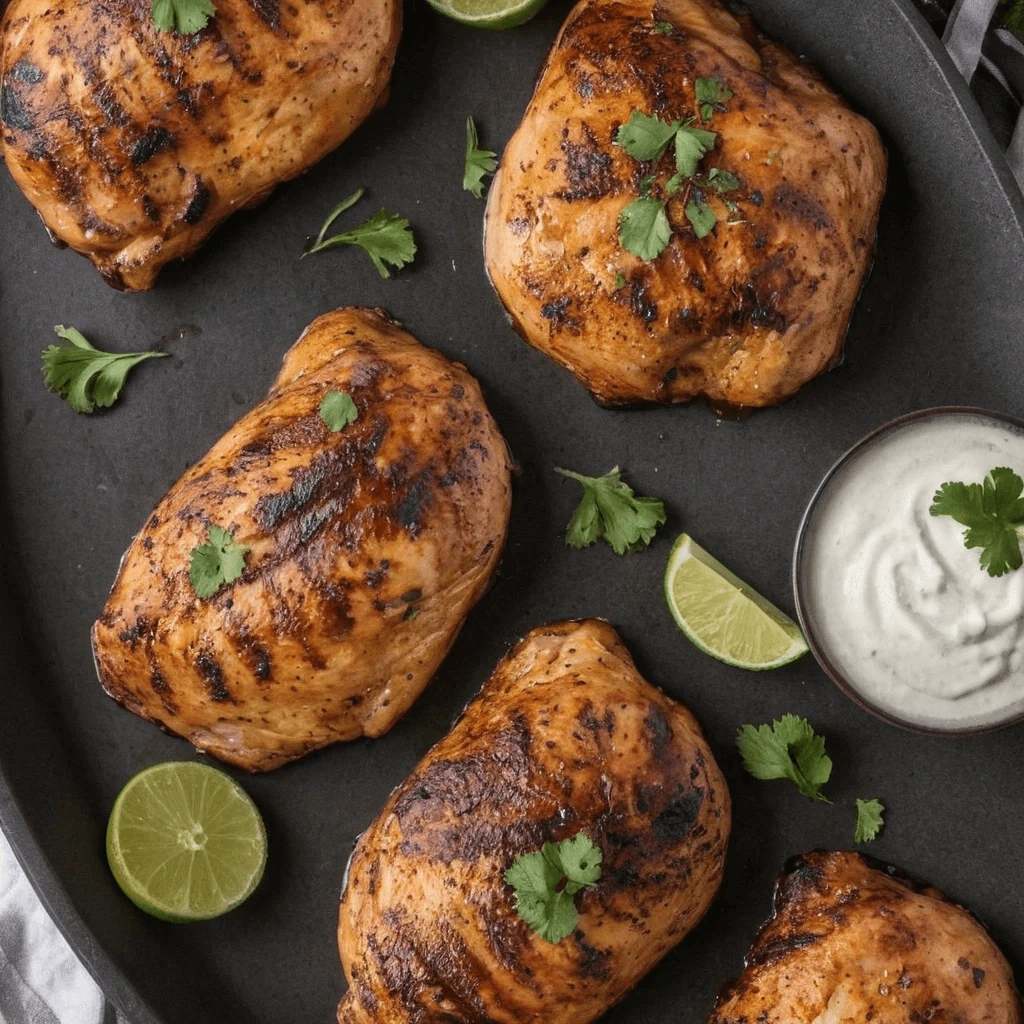
Gather Your Ingredients:
Creating the best Mexican chicken marinade starts with gathering the right ingredients. The beauty of this marinade lies in the combination of bold, fresh, and flavor-packed ingredients that work together to infuse the chicken with an irresistible blend of spicy, smoky, citrusy, and herbaceous notes. To ensure that your marinade has a rich and authentic flavor, it’s essential to source the best quality ingredients you can find. Here’s a guide to help you gather everything you need for the perfect marinade.
1. Fresh Chicken: Quality Starts with the Protein
The foundation of any great dish is the protein, and for this Mexican chicken marinade, you’ll need fresh chicken that is both tender and juicy. Whether you choose boneless, skinless chicken breasts, thighs, or even bone-in pieces, the key is to pick high-quality, fresh chicken. Opting for free-range or organic chicken ensures better flavor and texture, making a noticeable difference in the final grilled dish.
- Chicken Thighs vs. Breasts: Both cuts have their merits. Chicken thighs are juicier and more flavorful, making them ideal for grilling. They hold up well to marinades, absorbing flavors deeply while staying tender. Chicken breasts are leaner and cook faster but may dry out if overcooked. Regardless of the cut, make sure to choose fresh chicken over frozen for the best texture and taste.
- Poultry Tips: If using bone-in chicken, be sure to make small cuts in the meat to allow the marinade to penetrate more deeply. For boneless cuts, you can marinate the chicken whole or cut it into smaller pieces to speed up the marinating process and ensure even flavor distribution.
2. Citrus: Limes and Oranges for Freshness and Zest
Citrus fruits, such as limes and oranges, are essential in bringing a bright, refreshing component to the marinade. The acidity of citrus works to tenderize the chicken while also adding a zesty kick that enhances the flavor of the meat. Freshly squeezed lime juice is a must, as it infuses the chicken with tangy notes that balance the richness of other ingredients like brown sugar or honey.
- Limes: The most common citrus used in Mexican marinades, lime juice has a sharp, tangy flavor that pairs perfectly with the smoky and spicy elements. Fresh limes provide the bright acidity needed to cut through the richness of the marinade. Always squeeze the juice fresh from the fruit for maximum flavor.
- Oranges: For a sweeter, less acidic alternative, orange juice is a great addition to the marinade. It adds a natural sweetness and citrusy brightness, which complements the smokiness from the chipotle and paprika. Fresh oranges will offer the best flavor compared to bottled juice.
3. Fresh Herbs: Cilantro and Oregano for Herbaceous Flavor
Fresh herbs are another crucial component in your marinade, offering herbaceous . .fragrant elements that brighten the overall flavor of the chicken. Cilantro and oregano are commonly used in Mexican marinades. provide a fresh, green note that perfectly balances the richness of the other ingredients.
- Cilantro: Known for its bright, citrusy.slightly peppery flavor, cilantro is one of the most important herbs in Mexican cuisine. It adds a fresh, vibrant taste that balances the other ingredients.
- Oregano: Mexican oregano (or Texas oregano) is slightly different from Mediterranean oregano, with a more earthy, citrusy, and floral flavor. It works well with the spicy and smoky elements in the marinade, adding a warm depth. If you don’t have Mexican oregano, you can use regular oregano, but try to get the best quality you can.
4. Dry Spices: The Core Flavors of the Marinade
The dry spices in your Mexican chicken marinade will provide the depth and complexity that define the dish. Chili powder, cumin, paprika, and cayenne pepper . are all integral to building a flavorful base that delivers the spicy, earthy. smoky elements of the marinade.
- Chili Powder: A blend of dried chilis, chili powder imparts a mild heat and earthy flavor to the marinade. It’s the perfect base for adding spice without overwhelming the chicken with heat. Be sure to choose a high-quality chili powder to get the best flavor.
- Cumin: This spice brings a warm, earthy flavor with hints of citrus and smoke. Cumin is essential in Mexican cuisine, offering a grounded flavor that complements the freshness of the lime and the heat from the chilies.
- Smoked Paprika: Smoked paprika provides a subtle smokiness that mirrors the grilling process. It’s crucial for enhancing the grilled flavor of the chicken, adding depth and a bit of sweetness that complements the other spices.
- Cayenne Pepper: If you like a bit of extra heat, cayenne pepper is a great addition. A little goes a long way, and it will give the chicken an extra kick without overpowering the other flavors.
5. Sweeteners: Brown Sugar and Honey for Balance
The sweetness in your marinade is a key factor in balancing the spicy and smoky elements. Brown sugar and honey both add natural sweetness, with the molasses in brown sugar contributing a rich, deep flavor and honey offering a floral sweetness that complements the smoky components of the marinade.
- Brown Sugar: Brown sugar is preferred for its deep molasses flavor, which pairs wonderfully with the spices in the marinade. It helps balance the heat from chili powder and cayenne, ensuring the flavor profile isn’t overly spicy.
- Honey: If you prefer a lighter, floral sweetness, honey is an excellent choice. It not only sweetens the marinade but also adds a bit of moisture and stickiness, helping the marinade to adhere to the chicken and adding a beautiful caramelization as it grills.
6. Oils and Vinegar: To Bind and Enhance Flavors
Olive oil and vinegar serve as the base liquids in the marinade, helping to dissolve and distribute the spices evenly while also contributing to the flavor profile.
- Olive Oil: Olive oil helps to bind the marinade ingredients together, ensuring that the flavors are evenly distributed. It also helps the chicken retain moisture during grilling and adds a mild, fruity undertone that rounds out the other flavors.
- Apple Cider Vinegar: Apple cider vinegar is a great choice for adding a touch of tanginess to the marinade. It also acts as a tenderizing agent, helping to break down the chicken’s muscle fibers and ensuring a juicy, flavorful final dish. The acidity of the vinegar balances the sweetness of honey and brown sugar, creating a more harmonious flavor profile.
Mix and Combine:
Once you have gathered all your fresh, flavorful ingredients, the next step in creating the best Mexican chicken marinade is to properly mix and combine everything. This process is crucial because it ensures that the flavors meld together, creating a balanced and harmonious marinade that infuses the chicken with depth, complexity, and tenderness. Proper mixing ensures that all the ingredients are evenly distributed, allowing the chicken to fully absorb the marinade. Here’s how to do it:
1. Choose the Right Mixing Vessel
Before diving into the actual process of combining your ingredients, start by choosing the appropriate mixing vessel. The right container will allow you to stir the marinade effectively and coat your chicken evenly.
- Large Mixing Bowl: A large mixing bowl is typically the best option, giving you enough room to toss and stir the ingredients without spilling. It’s also ideal for ensuring that the marinade can move around the chicken evenly.
- Resealable Plastic Bag: For easy clean-up and thorough marination, some people prefer to use a large resealable plastic bag. Placing the chicken and marinade in the bag allows you to massage. the marinade into the chicken for even coverage. and it also prevents air exposure, which can lead to oxidation.
- Glass Jar or Container: If you’re preparing a smaller batch or prefer to mix the marinade in a more contained space, a glass jar or airtight container can work well. This also makes storing leftover marinade easier.
2. Combine the Wet Ingredients First
Start by combining all the wet ingredients—such as lime juice, orange juice, olive oil, vinegar. any liquid sweeteners like honey or pineapple juice—in your mixing bowl or jar. Mixing these ingredients first helps to create a consistent liquid base that will blend well with the dry spices.
- Acidic Base: The citrus juices, vinegar. even pineapple juice all have an acidic nature that works to tenderize the chicken. They should be the first ingredients mixed together so that their tenderizing power is evenly distributed.
- Sweeteners: Add honey, brown sugar, or any other sweetener at this stage. The sweetness balances the acidity and spiciness of the marinade, ensuring a well-rounded flavor profile. Mixing them with the acidic ingredients will help the sugars dissolve easily, creating a smooth, consistent marinade.
- Oil: After the citrus and sweeteners, pour in the olive oil. The oil helps to create a rich, smooth texture that allows the marinade to coat the chicken more effectively. It also acts as a binder for the dry spices, ensuring they don’t separate from the liquid.
3. Add the Dry Spices and Herbs
Once your wet ingredients are well combined, it’s time to add the dry spices and herbs. Dry spices like chili powder, cumin, paprika, cayenne. oregano can be sprinkled over the wet mixture, while fresh herbs like cilantro . oregano should be chopped finely and stirred in last.
- Even Distribution: To prevent clumps of spice or herbs, gently stir the dry ingredients into the wet mixture. Be sure that the spices are evenly incorporated into the liquid to avoid any pockets of intense flavor that might overpower the chicken. Use a whisk or a spoon to mix everything together thoroughly.
- Consistency: The goal is to create a marinade that is smooth and well-blended. If the mixture seems too thick, you can always add a little extra lime juice, olive oil, or even water to thin it out. It should have a slightly runny consistency so it can coat the chicken evenly without dripping off too much.
- Balance the Flavor: While mixing, taste the marinade to ensure that the balance of flavors is right. If it’s too spicy, add a bit more honey or sugar. If it’s too sweet, adjust by adding more lime juice or vinegar. If you prefer a stronger smoky flavor, you can also add a little more smoked paprika or chipotle powder at this stage.
4. Mix Until Smooth and Homogeneous
Once all ingredients are in the bowl, it’s important to mix thoroughly until you have a smooth, homogeneous marinade. This ensures that all the flavors are integrated well, giving the chicken an even coating of the marinade, which is key to achieving the desired flavor profile.
- Whisking or Stirring: Use a whisk to mix the ingredients together, as this will help the oil and liquids emulsify, preventing separation. If you’re using a bowl, use a spoon or spatula to scrape down the sides to incorporate all of the marinade. For a more thorough mix, you can transfer the marinade to a jar with a tightly sealing lid and shake it vigorously.
- Ensure Full Coverage: Once you’re done mixing, the marinade should have a consistent texture. The wet ingredients will have absorbed the dry spices and herbs, resulting in a thick, flavorful liquid with no lumps or uneven spice distribution. If needed, adjust the liquid content slightly to reach the desired consistency.
5. Check for Freshness and Adjust
Before applying the marinade to your chicken, take a final moment to check the mixture. The freshness and flavor of your marinade can make all the difference, so make sure the citrus, spices, and herbs have marinated together long enough to bring out their full potential.
- Taste Test: Taste the marinade at this stage and adjust the balance as necessary. If it needs more heat, add a touch of cayenne or chili flakes. If the acidity is too strong, add a bit more honey or brown sugar to smooth it out.
- Adjust Texture: If the marinade is too thick or too thin, adjust the consistency. If you need it thicker, add a touch more oil or honey. If it’s too thin, a bit more citrus juice or even a small amount of water can help create the right texture for marinating.
Marinate the Chicken:
Now that you have your marinade prepared, the next critical step in creating the best Mexican chicken marinade for grilling is to properly marinate the chicken. Marinating not only enhances the flavor profile of the chicken but also ensures that it stays tender, moist, and juicy while grilling. The goal is to allow the chicken to absorb all the incredible flavors you’ve carefully blended, so it can be packed with deliciousness from the inside out. Here’s everything you need to know about marinating chicken to perfection:
1. Timing is Key: How Long to Marinate
The amount of time you marinate your chicken is crucial for achieving the best results. While marinating for a longer period can enhance the flavor, marinating too long can lead to a mushy texture, especially for lean cuts like chicken breasts.
- Minimum Marinating Time: For maximum flavor infusion, the chicken should marinate for at least 30 minutes to 1 hour. This gives the meat enough time to absorb the acidity and flavors from the citrus juices and spices without becoming overly tenderized.
- Optimal Marinating Time: Ideally, marinate your chicken for 3 to 4 hours. This allows the flavors to penetrate deeply into the chicken, giving it a well-balanced flavor without the risk of becoming too soft or mushy.
- Overnight Marinating: For the best results, marinating overnight (up to 12 hours) allows the flavors to fully develop, and the chicken becomes deeply infused with the spices and herbs. However, if you’re using boneless, skinless breasts, be cautious and don’t go beyond 6 to 8 hours as the acidity could start breaking down the meat too much, affecting its texture. For bone-in pieces, an overnight marination is more forgiving.
- For Quick Marination: If you’re in a time crunch, even just 30 minutes to 1 hour can make a noticeable difference, so don’t feel discouraged if you can’t marinate for an extended period. The key is to allow some time for the flavors to penetrate the surface of the chicken.
2. Proper Storage During Marination
To marinate the chicken effectively and safely, it’s important to store the chicken properly. Proper storage ensures the chicken remains safe from bacterial contamination and allows the marinade to work its magic.
- Use a Resealable Plastic Bag: One of the most effective ways to marinate chicken is by placing the chicken pieces and the marinade into a resealable plastic bag. Not only does this method save space in the fridge, but it also allows you to massage the marinade into the chicken, ensuring it coats the meat evenly and thoroughly.
- Glass or Plastic Containers: If you prefer not to use plastic bags, you can place the chicken and marinade in a glass or plastic container. Just make sure the container is large enough to hold the chicken in a single layer. This will allow the marinade to cover the chicken more evenly. If needed, cover the container with a tight-fitting lid or plastic wrap.
- Refrigeration is a Must: Always marinate chicken in the refrigerator, never at room temperature. Marinating at room temperature can cause harmful bacteria to grow, leading to foodborne illness. Always store the marinating chicken on the bottom shelf of the fridge to avoid any potential drips onto other foods.
3. Massaging the Marinade for Better Absorption
While it’s important to let the chicken sit and absorb the marinade, you can also enhance the flavor absorption by giving the chicken a gentle massage.
- Massage Method: When the chicken is in the bag or container, take a moment to gently massage the meat. This helps the marinade to get into the crevices of the chicken, allowing the flavors to penetrate more deeply into the meat. Massaging also ensures that the chicken is evenly coated with the marinade.
- Redistribute the Marinade: After the initial massaging, turn the bag or container every 30 minutes or so to redistribute the marinade and ensure the chicken stays coated evenly. If you’re using a bowl, toss the chicken occasionally to ensure an even marination.
4. How to Avoid Over-Marinating
While marinating is an important step, over-marinating the chicken, especially with a highly acidic marinade, can lead to undesirable textures. The acids in the citrus juices and vinegar break down the proteins in the chicken, which is great for flavor and tenderness, but too much marination time can make the meat mushy and watery.
- Acid Sensitivity: Citrus and vinegar are powerful acids, so they should be used carefully, especially with lean cuts like chicken breasts. If you leave the chicken in the marinade for too long, the acid will cause the chicken to become overly tenderized, which can make it fall apart on the grill.
- Monitor Timing: Stick to the recommended marinating time based on the cut of chicken you are using. For bone-in chicken or thicker cuts, the marinade can work for up to 12 hours, but for skinless breasts, marinating for no more than 4 to 6 hours is ideal.
5. Don’t Waste the Marinade! (Optional)
Once you marinate the chicken, you may feel tempted to discard the marinade, but don’t throw it away just yet! With the right precautions, you can use it as a flavorful sauce or basting liquid while grilling.
- Bring to a Boil First: If you plan to use the leftover marinade as a basting sauce, boil it first for a few minutes to ensure it is safe for consumption. This step eliminates any harmful bacteria that may have transferred from the raw chicken into the marinade.
- Baste While Grilling: You can use the boiled marinade to baste the chicken while grilling, which will enhance the flavor and help keep the chicken moist. Just be sure to apply the marinade toward the end of the grilling process to avoid cross-contamination.
- Reduce to a Sauce: If you’d like to turn the marinade into a delicious sauce, simmer it down to concentrate the flavors. This will result in a rich, tangy sauce that you can drizzle over the grilled chicken before serving.
6. Tips for Marinating Bone-In vs. Boneless Chicken
The marination technique may vary slightly depending on whether you’re using boneless or bone-in chicken. Here’s how the two differ:
Bone-In Chicken: Bone-in pieces take longer to absorb the marinade due to the bone. so they benefit from longer marinating times, anywhere from 3 to 12 hours. Bone-in pieces also tend to stay juicier and more flavorful because the bone helps retain moisture during grilling.
Boneless Chicken: Since boneless cuts are thinner, they absorb the marinade much faster. You can get away with marinating boneless chicken for 30 minutes to 2 hours. though marinating for 3 hours will result in deeper flavor. Avoid marinating longer than that to prevent the chicken from becoming too soft.
Storage Tips:
Proper storage is a crucial element in both the marinating process . post-grilling phase to ensure your Mexican chicken stays fresh, safe, and flavorful. Whether you’re preparing the marinade ahead of time or storing leftover chicken. following correct storage practices helps preserve its taste, texture, and quality. Below are some detailed storage tips to keep your chicken at its best, from marinating to leftovers.
1. Storing Chicken While Marinating
To get the best results from your marinade, you need to store the chicken properly during the marination process. Storing it in the right conditions helps prevent bacterial growth and ensures the chicken absorbs the marinade evenly.
- Refrigerate While Marinating: Always marinate chicken in the refrigerator. Do not leave it out at room temperature, as this can lead to bacterial growth, which could cause foodborne illnesses. The cool temperature slows down bacterial reproduction while allowing the chicken to absorb the flavors from the marinade.
- Use an Airtight Container or Ziplock Bag: For optimal marination, store the chicken in an airtight container or a resealable ziplock bag. These storage options help seal the flavors in and prevent the marinade from spilling out or contaminating other foods in the fridge.
- Plastic Bags: A resealable plastic bag is often preferred because it ensures that the chicken is evenly coated with the marinade. You can also massage the marinade into the chicken more easily by pressing the bag, ensuring that every part of the chicken gets the flavor.
- Glass or Plastic Containers: If using a container, ensure that the chicken is arranged in a single layer so the marinade can cover it evenly. Cover the container with a tight-fitting lid or plastic wrap to prevent air from getting in and drying out the chicken.
- Proper Marinating Duration: As mentioned before, the length of time chicken should be marinated depends on the cut and thickness of the meat. For best results, marinate for 30 minutes to 4 hours for boneless chicken and 3 to 12 hours for bone-in chicken. If you’re planning to marinate overnight, ensure that you check the chicken every few hours and redistribute the marinade, especially if using a plastic bag.
2. Storing Leftover Marinade (Before Use)
If you have leftover marinade that hasn’t touched raw chicken . you can store it and use it for basting or saucing while grilling. However, it’s crucial to handle it with care to ensure it’s safe for later use.
- Refrigerate Leftover Marinade: Store unused marinade in an airtight container in the refrigerator immediately after use. It’s essential to store it separately from any used marinade . that has come into contact with raw chicken to avoid contamination.
- Boil Before Using: If you plan to use the leftover marinade for basting . or as a sauce, always bring it to a boil for at least 5 minutes before using it. Boiling kills any harmful bacteria that may have transferred from the raw chicken during the marination process. Once boiled, you can reduce the sauce to thicken it or use it to baste your chicken while grilling.
- Label and Date: If you’re storing leftover marinade, label the container with the date and contents to ensure. it’s used within a safe timeframe (usually within 3 to 4 days).
3. Storing Raw Chicken in the Freezer (For Future Use)
If you have extra chicken and want to freeze it with the marinade for later grilling, here are a few tips to ensure it stays fresh and flavorful:
- Freeze Before Cooking: You can freeze chicken in the marinade if you plan to use it later. This is a great option for meal prep or if you’re marinating ahead of time for future grilling. The marinade will act as a tenderizer and flavor enhancer while the chicken is frozen, so when you’re ready to cook, you can thaw it and grill it immediately.
- Use a Freezer-Safe Bag or Container: Place the chicken and marinade in a freezer-safe ziplock bag or a freezer-safe container. Make sure to remove as much air as possible to prevent freezer burn and to preserve the quality of the chicken. Be sure to label the bag or container with the date to track how long the chicken has been in the freezer.
- Thaw Safely: When you’re ready to cook the chicken, thaw it safely in the refrigerator for 24 hours before grilling. Never thaw chicken at room temperature, as it can promote bacterial growth. If you’re in a hurry, you can also thaw chicken in a bowl of cold water, changing the water every 30 minutes until fully thawed.
4. Storing Cooked Chicken Leftovers
If you have leftover grilled chicken, storing it properly will ensure that it remains tender and moist while keeping the flavors intact.
- Cool and Refrigerate Promptly: Allow the grilled chicken to cool to room temperature (but no longer than 2 hours). Then, store it in an airtight container or resealable plastic bag and refrigerate it promptly. Refrigerating the chicken right away helps to maintain both the flavor and texture.
- Refrigeration Duration: Grilled chicken can be stored in the refrigerator for up to 3 to 4 days. After that, it may lose its moisture and flavor. Be sure to eat it within that time frame to ensure the best taste and quality.
- Freeze Leftover Chicken: If you don’t plan on eating the leftover grilled chicken within 3 to 4 days, you can freeze it. Place the cooled chicken in a freezer-safe container or ziplock bag, removing excess air. Make sure to label it with the date so you can track its freshness. Frozen grilled chicken can last for up to 4 months. When you’re ready to eat it, thaw it in the refrigerator overnight and reheat gently to maintain its flavor and moisture.
- Reheating Tips: To keep leftover grilled chicken from becoming dry during reheating, add a bit of broth or water when reheating, or cover it with foil and heat it in the oven. This will help the chicken retain its moisture. For the best flavor, it’s also recommended to reheat on low heat to avoid overcooking the chicken.
5. Safety Considerations for Storing Chicken
Whether you’re storing raw, marinating, or cooked chicken, safety should always be a priority.
- Avoid Cross-Contamination: When handling raw chicken and its marinade, always wash your hands, cutting boards, and utensils thoroughly with hot, soapy water to avoid cross-contamination. Keep raw chicken separate from other foods in the fridge, especially ready-to-eat items.
- Check Expiry Dates: If you use store-bought marinade, check the expiration date before marinating the chicken, and ensure that your chicken is fresh before marinating or cooking it. Chicken should be consumed within 1 to 2 days of purchase or frozen within that period if not used immediately.
- Use Food Storage Labels: To stay organized and ensure your marinated chicken is used within the safe time frame, use food storage labels. Write the date on the bag or container so you know exactly when the chicken was marinated or cooked.
Grilling Tips for Perfect Mexican Marinated Chicken
Prepping the Grill:
Prepping the grill is a key factor in ensuring that your Mexican chicken comes out with the perfect texture, flavor, and juiciness. A well-prepared grill provides even heat distribution, prevents sticking, and helps avoid flare-ups that could burn the chicken. Here’s a comprehensive guide to ensure your grill is ready for grilling chicken:
1 Clean Your Grill Grates
Before you begin grilling, the first step is always to clean the grates thoroughly. Clean grates not only promote better hygiene but also ensure that the chicken cooks evenly without burning on any leftover food or grease from previous grilling sessions.
- Why Cleaning Matters: Over time, grill grates can accumulate grease, oils, and food remnants from previous cooking. These remnants can cause food to stick to the grates, which is particularly true for chicken, as it releases juices and fat that can trap the meat. Cleaning the grates beforehand ensures a smooth grilling surface and prevents unwanted flavors from affecting your Mexican chicken.
- How to Clean: Use a stiff-bristled grill brush to scrape away any food debris, grease, or burnt-on particles. It’s best to clean the grates while they are still warm (but not too hot) to make the process easier. Alternatively, you can also use a steel wool pad if there are stubborn areas.
- Oil the Grates: After cleaning, it’s crucial to oil the grates to prevent the chicken from sticking. Use a pair of tongs to hold a paper towel soaked in canola oil or vegetable oil, and gently rub the oil on the grates. This helps create a non-stick surface that will ensure your chicken cooks properly without sticking.
- Inspect for Rust: Be sure to inspect your grates for any signs of rust. Rust can cause the chicken to pick up off-flavors and compromise the overall cooking process. If your grill grates are rusty, replace them . or give them a thorough cleaning to remove as much rust as possible.
2 Preheat the Grill
Preheating the grill is a fundamental step. to ensure you achieve that perfect sear and even cooking for your Mexican chicken. Preheating helps to stabilize the temperature, so your chicken gets the right amount of direct and indirect heat during the grilling process.
- Gas Grills: For gas grills, preheat the grill by turning the burners to medium-high heat. Close the lid and let the grill heat up for 10 to 15 minutes. This ensures that the grill reaches the ideal cooking temperature and that the grates are evenly heated, which is key for achieving a good sear on the chicken.
- Charcoal Grills: For charcoal grills, you’ll need to let the charcoal burn until it reaches an ideal cooking temperature. After lighting the charcoal, allow it to burn for 20-30 minutes or until the coals turn a grayish ash color. This is the optimal stage where the coals will provide consistent, even heat. If you’re using lump charcoal, the fire can be hotter and may require more attention to maintain a steady temperature.
- Checking the Temperature: The ideal grilling temperature for Mexican chicken should be between 400°F to 450°F (200°C to 230°C). This heat range allows the chicken to sear properly and retain its moisture while cooking. You can test the heat by holding your hand above the grates—at this temperature, you should only be able to hold it there for about 3 seconds.
3 Set Up Two-Zone Cooking (For Charcoal Grills)
If you’re using a charcoal grill, setting up two-zone cooking will provide you with more control over how your chicken cooks. With two-zone cooking, you can sear the chicken directly over the coals and then move it to a cooler part of the grill to finish cooking.
- Direct Heat Zone: This zone is where the heat is concentrated directly above the coals. It’s perfect for getting a crispy, flavorful sear on the chicken, especially if you’re grilling boneless chicken breasts or chicken tenders that don’t require much cooking time.
- Indirect Heat Zone: After searing the chicken, you can move it to the indirect heat zone, where there is no direct flame. This zone is cooler and is ideal for bone-in chicken or larger cuts that need to cook through slowly without burning on the outside. By cooking with indirect heat, you give the chicken more time to reach the ideal internal temperature without overcooking the exterior.
- Heat Management: If you’re grilling larger batches of chicken, you may need to add more charcoal or adjust the air vents to maintain the right cooking temperature. Make sure the coals are spread out evenly to avoid hot spots that could cause uneven cooking.
4 Check for Fuel Levels
Before starting your grilling session, ensure that you have sufficient fuel to avoid interruptions mid-cook. Running out of fuel halfway through grilling can cause uneven cooking or even lead to undercooked chicken.
- Gas Grills: Check the propane tank’s fuel level to ensure it has enough gas to last throughout the grilling session. If the gas is low, consider replacing the tank or having an extra tank available. Some grills have a gauge or indicator to show the remaining fuel level.
- Charcoal Grills: For charcoal grilling, ensure that you have enough charcoal for both the searing and cooking phases. If you’re cooking for a long time, it’s a good idea to have extra charcoal on hand in case the fire needs replenishing. When using lump charcoal, the heat may burn faster, so keep an eye on the fire.
5 Ensure the Grill is Well-Ventilated
Proper airflow is critical for maintaining a consistent temperature, especially if you’re using a charcoal grill. Adjusting the air vents will allow you to control the oxygen flow, which impacts the heat.
- Gas Grills: For gas grills, airflow is automatically controlled through the burner settings. Ensure that the burner is set to medium-high heat and adjust if needed during cooking.
- Charcoal Grills: On charcoal grills, you have more control over the temperature by adjusting the bottom and top vents. Opening the vents allows more oxygen to feed the fire, increasing the temperature, while closing them reduces the airflow and lowers the temperature. For a consistent grilling temperature, maintain an optimal balance between the top and bottom vents.
6 Prevent Flare-Ups
Flare-ups are a common challenge when grilling chicken, especially if there is fat or sugary marinade that drips into the flames. These flare-ups can result in burned chicken, especially on the outside, while leaving the inside undercooked.
- Trim Excess Fat: Trimming excess fat from the chicken helps reduce flare-ups and prevents your chicken from becoming too greasy or charred. Fat drips onto the grill, causing sudden flames and unwanted charring, so it’s best to remove any visible fat.
- Avoid Marinade Drips: If you’re using a marinade, be cautious of excess liquid. Sugary marinades, in particular, can cause flare-ups when they drip into the flames. It’s a good idea to let the chicken sit in a colander for a minute or two before grilling, to remove any excess marinade. Alternatively, you can baste the chicken periodically during grilling instead of dipping it in marinade.
- Keep the Lid Closed: If flare-ups do occur, quickly close the lid of the grill to reduce oxygen and control the flames. Also, move the chicken away from the direct heat zone to prevent it from burning.
7 Have Your Tools Ready
Ensure that all necessary grilling tools are within arm’s reach to make the grilling process easier, safer, and more efficient. Some tools you’ll need include:
- Long-Handled Tongs: To safely flip the chicken without piercing the meat and losing juices.
- Basting Brush: If you’re planning to apply marinade or glaze during grilling, have a basting brush ready.
- Meat Thermometer: A meat thermometer will help you check the internal temperature of the chicken to ensure it reaches the safe cooking temperature of 165°F (74°C) for boneless cuts or 180°F (82°C) for bone-in cuts.
- Grill Gloves: Heat-resistant gloves will help protect your hands when managing hot tools or adjusting the grill.
2. Cooking Temperature:
Achieving the right cooking temperature is one of the most important factors when grilling Mexican chicken. Whether you’re grilling boneless chicken breasts, thighs, or bone-in pieces, the cooking temperature ensures that the chicken cooks evenly, remains juicy, and reaches the proper internal temperature for safe consumption. Let’s break down the essential aspects of cooking temperature, from grill heat settings to the importance of internal temperature monitoring.
1 Ideal Grill Temperature
The temperature of the grill plays a pivotal role in how the chicken will cook. Too high of a heat can cause the chicken to char on the outside while leaving it undercooked on the inside, whereas too low of a heat will result in chicken that is dry and lacks the desired sear.
- Boneless, Skinless Chicken: For chicken breasts, thighs, or tenders that are boneless and skinless, you want a medium-high heat on your grill. This corresponds to a temperature of about 400°F to 450°F (200°C to 230°C). At this heat, the chicken cooks quickly, allowing it to sear properly and lock in juices without drying out. The direct heat gives the chicken a nice crispy exterior while keeping the inside moist and tender.
- Bone-In Chicken: Bone-in pieces like drumsticks, thighs, or whole chicken require a slightly lower temperature to ensure they cook through evenly. Aim for 375°F to 425°F (190°C to 220°C) for these cuts. Bone-in chicken takes longer to cook, and lower, more controlled heat ensures the chicken is properly cooked on the inside without burning the outside. It’s also a good idea to move bone-in chicken to the indirect heat zone once seared, allowing the chicken to cook gently without direct exposure to the flames.
- Indirect Heat for Larger Pieces: For whole chicken or large bone-in pieces, once you’ve seared the outside over direct heat, you should move the chicken to a cooler part of the grill for indirect cooking. This helps cook the meat through without overcooking the exterior. You can adjust the heat as needed, but typically, indirect heat should remain around 350°F to 375°F (175°C to 190°C) for best results.
2 Using Two Zones for Temperature Control
Managing the temperature on your grill is easier if you set up a two-zone cooking system. This setup allows you to control the heat applied to the chicken and ensures it cooks evenly without burning.
- Direct Heat Zone: The direct heat zone should be the hottest part of the grill, where the coals or burners are positioned. This zone is ideal for searing the chicken, especially boneless cuts that cook faster. The goal is to develop that delicious charred exterior and crispy skin. However, once the chicken is seared, move it to the indirect heat zone to allow it to finish cooking at a lower temperature.
- Indirect Heat Zone: The indirect heat zone, with a cooler temperature, ensures that your chicken cooks evenly all the way through without over-charring. This zone is especially useful for bone-in chicken pieces or thicker cuts. Leave the chicken here after searing it, and let the heat circulate around it to cook it slowly and gently.
By managing both zones effectively, you prevent flare-ups and allow the chicken to cook evenly, all while controlling the internal temperature.
3Monitoring Internal Temperature
The best way to ensure your chicken is perfectly cooked is by using a meat thermometer. Checking the internal temperature will prevent the chicken from being undercooked or overcooked.
- Boneless, Skinless Chicken: For boneless chicken breasts or boneless thighs, the ideal internal temperature should reach 165°F (74°C). This temperature guarantees that the chicken is fully cooked and safe to eat while remaining juicy and tender. Keep in mind that boneless cuts cook faster, so it’s important to keep an eye on the internal temperature to avoid drying them out.
- Bone-In Chicken: For bone-in chicken, the internal temperature should be 180°F (82°C). This higher temperature allows the connective tissue to break down, resulting in a tender, juicy piece of chicken. If you’re grilling a whole chicken, check the temperature at the thickest part of the breast and thigh. If the temperature is too low, the chicken may still be undercooked . unsafe to eat.
- Resting Time: After removing the chicken from the grill, allow it to rest for 5-10 minutes. During this time, the internal temperature will continue to rise slightly (also known as carryover cooking). Resting the chicken also helps redistribute the juices within the meat, resulting in a juicier and more flavorful meal.
4 Adjusting Heat for Different Cuts
Different cuts of chicken require different handling of the grill temperature. It’s important to be mindful of the size, thickness, and fat content of the chicken you’re grilling, as this will influence the heat levels.
- Thin Cuts (Boneless, Skinless): Boneless chicken breasts and tenders are relatively thin, so they will cook faster than thicker cuts. For these pieces, medium-high heat (around 400°F to 450°F) works best. Keep a close eye on the internal temperature to avoid overcooking and drying out the chicken.
- Thicker Cuts (Bone-In Pieces): Cuts like drumsticks, thighs, or bone-in breasts take longer to cook because of their thickness. These should be cooked at slightly lower heat (around 375°F to 425°F) to allow the heat to penetrate through the bone and cook the meat thoroughly. If necessary, adjust the grill temperature by moving the chicken between the direct and indirect heat zones.
5 Managing Flare-Ups and Hot Spots
Another challenge when grilling chicken is managing flare-ups that may occur when fat drips onto the flames, causing the chicken to burn or cook unevenly.
- Control Flare-Ups: Keep the grill lid closed when flare-ups occur to reduce the oxygen supply to the flames. This prevents sudden bursts of heat and reduces the risk of burning the chicken. If the chicken starts to char too quickly, move it to a cooler part of the grill or reduce the flame to prevent further flare-ups.
- Monitor Hot Spots: Grills often have hot spots, areas where the heat is higher than in other parts of the grill. These hot spots can cause the chicken to cook unevenly. Rotate the chicken occasionally and keep an eye on the heat distribution. If necessary, adjust the position of the chicken or use a grill thermometer to check for temperature inconsistencies.
6 Tips for Even Cooking
To ensure your chicken cooks evenly:
- Flip the Chicken Regularly: Turn the chicken at least once to ensure both sides are exposed to the heat. If you’re grilling thick cuts or bone-in pieces, consider flipping the chicken every 4-5 minutes to prevent burning and to ensure an even cook.
- Use a Grill Thermometer: A grill thermometer can help ensure your grill stays at the optimal temperature for the type of chicken you’re cooking. Monitoring the grill’s heat throughout the process can prevent drastic temperature fluctuations that could affect the chicken’s doneness.
Flipping and Timing:
Flipping and timing are crucial aspects of grilling chicken to ensure that it cooks evenly, develops a delicious charred exterior, and remains juicy on the inside. The right timing and flip strategy can help you avoid undercooked or overcooked chicken, which can be dry and tough. Here’s how to manage both the flipping process and timing for the best Mexican chicken grilling results.
1 Why Flipping Matters
Flipping your chicken at the right intervals helps to achieve even cooking on both sides. Chicken, particularly on the grill, can cook unevenly if only one side is exposed to direct heat for too long, leading to a burnt exterior and raw interior. By flipping the chicken periodically, you ensure that both sides are exposed to the same temperature, which is essential for even cooking.
- Avoid Drying Out: When chicken is cooked on one side for too long, the side closest to the grill can dry out, while the other side remains raw. Flipping allows both sides to be seared to perfection without drying out the meat, retaining the moisture that makes grilled chicken juicy.
- Promotes Even Grill Marks: Flipping the chicken also helps develop even grill marks across the surface, enhancing the visual appeal of the grilled chicken and adding an extra layer of flavor from the caramelized edges.
- Preventing Uneven Char: Sometimes, hot spots on the grill can cause uneven cooking, especially on charcoal grills. Flipping the chicken every few minutes prevents one part of the chicken from getting too charred while leaving the rest undercooked. Even flipping ensures consistent grill marks and flavor throughout.
2 Best Time to Flip the Chicken
The timing of when to flip your chicken is crucial. Flipping too early or too late can lead to undesired results, including sticking to the grill or cooking unevenly. Here are the general guidelines for the ideal flip timing:
- Boneless, Skinless Chicken (Breasts, Thighs, Tenders): These cuts cook relatively quickly, usually within 4 to 6 minutes per side. When grilling boneless chicken, wait until the edges begin to turn opaque, and there are visible grill marks before flipping. You can test this by gently lifting the chicken with tongs to see if it releases easily from the grill. If it sticks, it’s not quite ready to flip.
Bone-In Chicken (Thighs, Drumsticks, Breasts):
- Bone-in chicken requires more time to cook through, usually around 10 to 12 minutes per side depending on the thickness and grill heat. For bone-in cuts, allow the first side to cook until it develops a rich brown color with grill marks. When you flip it, you’re helping to ensure that both sides get evenly cooked without burning.
- Tip: With bone-in chicken, it’s essential to check the internal temperature after flipping to ensure the meat has cooked through, as it requires more time than boneless cuts.
- Whole Chicken: Grilling a whole chicken requires consistent flipping and monitoring of its progress. For optimal cooking, it’s best to flip the bird every 15-20 minutes during the grilling process to promote even cooking and prevent it from drying out on one side.
- Tip: If you’re grilling a whole chicken, using indirect heat after searing the skin helps cook the chicken more thoroughly while allowing the skin to stay crispy and juicy.
3 Techniques for Flipping the Chicken
While it’s important to flip the chicken at the right time. the method you use for flipping also makes a significant difference. Using the right tools and technique will help you handle the chicken with care to maintain its shape . prevent it from falling apart or sticking to the grill.
- Tongs: For boneless chicken breasts, thighs, and smaller cuts, use long-handled tongs to flip the chicken gently. This allows you to flip the meat without puncturing it, which can cause juices to escape and lead to dryness. Grabbing the chicken at its widest point with the tongs provides maximum control when flipping.
- Spatula: For thicker cuts or chicken pieces with skin. spatula is often a better tool to help lift and flip the chicken with less risk of tearing the skin or meat. A wide, flat spatula provides the necessary support for flipping larger chicken pieces like bone-in breasts and drumsticks.
- Use a Meat Thermometer: For thicker cuts or bone-in chicken, it’s beneficial to check the internal temperature as you flip. This ensures you’re not overcooking the outside while the inside remains undercooked.
4 Timing for Resting the Chicken
Resting your chicken after it comes off the grill is as important as flipping it at the right time. Resting allows the juices to redistribute throughout the meat, making it juicier and more flavorful. Here’s the general rule of thumb for resting:
- Boneless Chicken: For boneless cuts like chicken breasts or thighs, let the chicken rest for about 5 minutes before cutting into it. This allows the juices to redistribute and ensures that each bite is moist.
- Bone-In Chicken: Bone-in pieces like drumsticks or whole chicken should rest for 8 to 10 minutes. The thicker pieces need more time to allow for carryover cooking (the internal temperature continues to rise slightly after removing from the grill).
- Whole Chicken: When grilling a whole chicken, resting it for 10-15 minutes is essential. This ensures that the juices settle inside the meat and don’t spill out as soon as you cut into the chicken.
5 Timing the Grilling Process
Proper timing not only involves flipping at the right intervals but also ensuring that each type of chicken piece is cooked for the right amount of time to achieve optimal results. Here are some grilling times for different cuts of chicken:
- Boneless, Skinless Chicken: Depending on the thickness, boneless cuts like breasts or thighs typically need about 8 to 12 minutes of grilling time. Remember that these cuts cook quickly, so timing is key to avoid overcooking.
- Bone-In Chicken: Bone-in cuts, such as thighs or drumsticks, will usually take about 20 to 30 minutes of grilling time. These cuts require longer exposure to heat, and it’s critical to check the internal temperature to make sure they are fully cooked.
- Whole Chicken: A whole chicken generally requires 45 minutes to 1 hour on the grill, depending on its size. The key is to maintain the right heat and ensure the chicken is fully cooked to a safe internal temperature.
6 Avoiding Overflipping
While flipping is important, overflipping the chicken can cause it to lose juices and texture. Constant flipping can also prevent the chicken from achieving a nice, crispy exterior. Aim to flip only once or twice during grilling, depending on the type of chicken. Overhandling the chicken can result in a loss of moisture and make it more difficult to get the perfect sear.
- One Flip Method: For most cuts, especially boneless skinless chicken or smaller pieces, flipping once halfway through grilling is usually sufficient. For bone-in pieces, two flips—once at the halfway point and another before moving to indirect heat—will help.
Resting the Chicken
Resting your chicken after grilling is often overlooked, but it plays a crucial role in ensuring that your grilled chicken stays juicy, flavorful, and tender. While the chicken is hot off the grill, it’s tempting to cut into it immediately, but allowing it to rest for a few minutes is essential to preserve its moisture and enhance its texture. Here’s a detailed look at why resting the chicken is important, how long to rest it, and the science behind this step.
1 Why Resting Is Crucial
The process of resting chicken after grilling helps maintain its moisture and tenderness. When the chicken is on the grill, the heat causes the juices within the meat to move toward the surface. If you cut into the chicken immediately after removing it from the grill, these juices will spill out, leaving the meat dry and less flavorful.
- Juice Redistribution: During the cooking process, the muscle fibers in the chicken contract due to the heat, causing the juices to be pushed toward the center. Resting the chicken allows the muscle fibers to relax, and the juices begin to redistribute throughout the meat, making each bite moist and tender.
- Prevents Dryness: If you cut the chicken too soon, the juice that is trapped inside the meat will be lost. The resting period allows those juices to settle back into the fibers, ensuring that the chicken remains juicy and flavorful. Without this step, the chicken can become dry and tough, especially if it’s a lean cut like chicken breast.
2 How Long Should You Rest Chicken?
The amount of time you should rest your chicken depends on the size and type of cut. Here are the general guidelines:
- Boneless, Skinless Chicken: For smaller cuts such as boneless chicken breasts, thighs, or tenders, a resting time of about 5 minutes is usually sufficient. This allows the juices to redistribute without the chicken cooling down too much.
- Bone-In Chicken: Bone-in cuts such as drumsticks, thighs. or bone-in breasts need a slightly longer resting period—7 to 10 minutes is ideal. These cuts take longer to cook. the additional time helps ensure the juices settle in and the meat becomes more tender.
- Whole Chicken: If you’re grilling a whole chicken, it’s best to let it rest for 10 to 15 minutes. A larger bird needs more time to cool slightly and allow the juices to redistribute throughout the meat. This resting period ensures that the whole chicken stays moist and tender when you carve it.
3 The Science Behind Resting Chicken
Resting chicken is not just a recommendation; it’s backed by science. When meat is cooked, especially on a grill, it undergoes a series of changes. The heat causes the protein fibers to contract, forcing moisture out of the meat. If the meat is cut too soon, this moisture escapes, and the chicken will dry out.
- Carryover Cooking: Another key factor is carryover cooking.the process where the meat continues to cook for a few minutes even . after it’s been removed from the heat. As the internal temperature of the chicken rises slightly during the resting period. it ensures that the meat is fully cooked but not overdone. The temperature will continue to climb by 5 to 10°F (3°C to 5°C) . after removal from the grill, which can make the difference . between perfect chicken and slightly overcooked chicken.
- Muscle Relaxation: When the chicken rests, the muscle fibers have a chance to relax and release some of the tension built up during cooking. This relaxation leads to a more tender piece of meat because the fibers aren’t tightly constricted, making the chicken more enjoyable to eat.
4 How to Rest Chicken Properly
Resting the chicken correctly ensures you get the best results. Here’s how to rest your chicken the right way:
- Remove from Grill and Cover: Once the chicken reaches its ideal internal temperature. take it off the grill and place it on a clean plate or cutting board. It’s a good idea to cover the chicken loosely with aluminum foil while it rests. This helps maintain the warmth of the chicken and prevents it from cooling down too quickly. Just make sure the foil isn’t tightly wrapped. as you want to allow some steam to escape to avoid making the skin soggy.
- Avoid Cutting Too Soon: Resist the urge to cut the chicken immediately. If you cut into it while it’s still hot, the juices will spill out. Let it sit undisturbed for the recommended resting time. If you cut the chicken too early, you’ll be sacrificing its tenderness and flavor.
- Resting on a Cutting Board: Place the chicken on a cutting board with a groove around the edge. Place the chicken on a plate to catch any juices released during resting, preventing spills. Use the juices to drizzle over the chicken for added flavor.
5 Resting Improves Texture and Flavor
Resting the chicken also has a positive effect on its texture and overall flavor. Here’s how:
- More Tender: Rested chicken tends to have a more tender texture because the muscle fibers have had time to relax. You won’t experience the tough, chewy texture that often occurs with overcooked chicken. This is especially important for lean cuts like chicken breast, which can dry out quickly.
- Richer Flavor: When the juices stay inside the chicken, each bite is more flavorful. The natural flavors of the chicken are concentrated within the meat, and the marinade or seasonings have a chance to soak in. This results in a chicken that is more flavorful from the inside out.
- Crispy Skin: For chicken with skin, allowing it to rest after grilling helps preserve the crispy skin you’ve worked hard to achieve. If you cut the chicken too early, the skin can become soggy. Letting the chicken rest briefly helps maintain that perfect crunch.
6 Common Mistakes to Avoid When Resting Chicken
While resting your chicken is essential, there are a few common mistakes to avoid that could hinder the process:
- Resting for Too Long: While it’s important to let the chicken rest, leaving it for too long can cause it to become cold, especially if it’s a smaller cut. Aim for the appropriate resting times outlined above, and don’t leave the chicken sitting out for too long, as it may cool down too much.
- Cutting Too Soon: As mentioned earlier, cutting the chicken right off the grill can result in dry meat. Always resist the temptation to dive in immediately, and give the chicken enough time to rest.
Serving Ideas and Variations
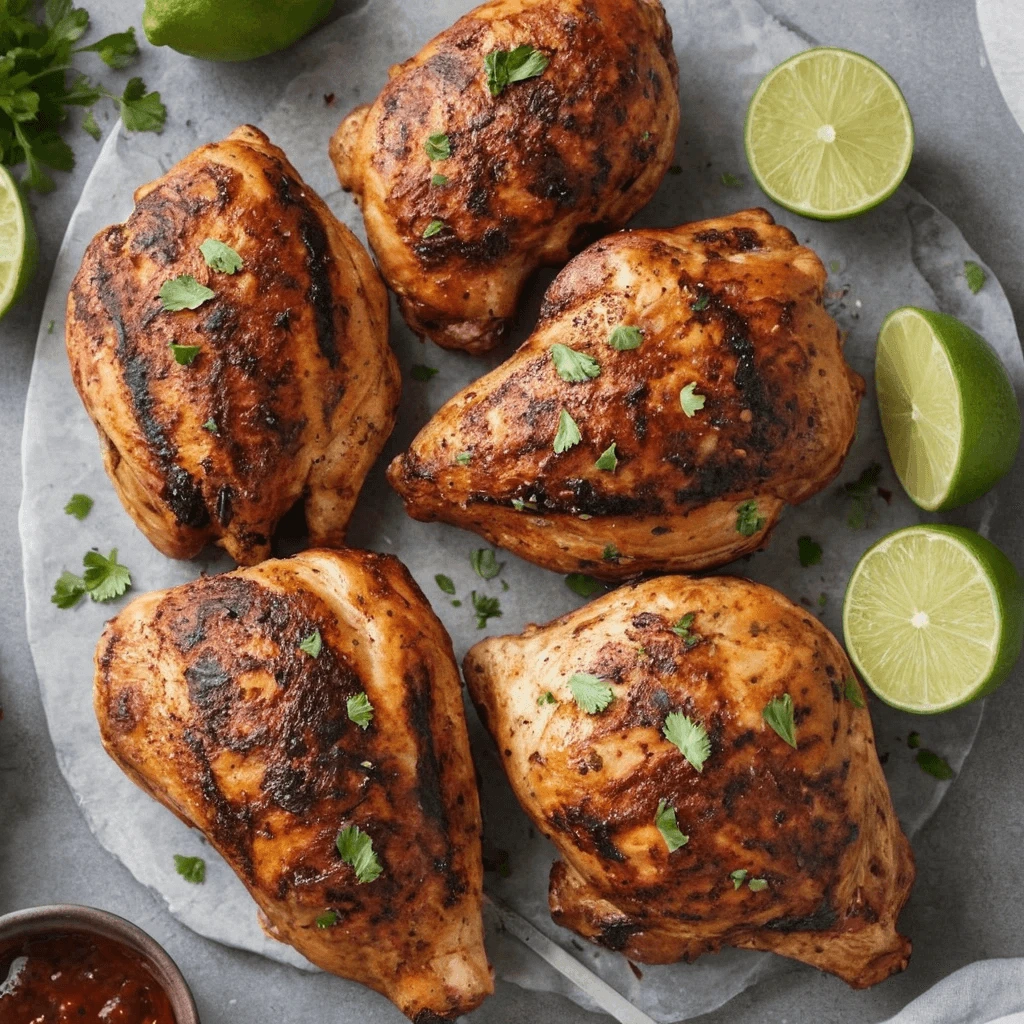
Tacos and Wraps:
Tacos and wraps are perfect for using grilled Mexican chicke. as they offer a fun and customizable way to enjoy the vibrant flavors. Whether you’re making a quick weeknight meal or hosting a casual get-together, tacos and wraps allow you to pack in layers of flavor while highlighting the juicy, tender chicken that has been marinated with the best spices and herbs. Here’s how you can elevate your chicken tacos and wraps using the grilled chicken and some simple ingredients.
1 Why Tacos and Wraps Work Well for Mexican Chicken
Both tacos and wraps offer convenient portability, and their flexible nature allows you to be creative with the ingredients. The warm, soft tortillas complement the charred, smoky chicken, and the combination of textures—from crunchy toppings to soft tortillas—creates a satisfying eating experience. Tacos and wraps are also ideal for a crowd-pleasing meal, as everyone can customize their fillings and toppings to suit their tastes.
- Versatility in Fillings: The beauty of tacos and wraps is that they are endlessly adaptable. The grilled Mexican chicken serves as a flavorful base, and you can pair it with a variety of fresh vegetables, salsas, and creamy sauces to balance the flavors. From spicy salsas to cool guacamole, tacos and wraps offer endless combinations to satisfy every craving.
- Great for Meal Prep: Both tacos and wraps are excellent choices for meal prep. especially when you want to prepare a week’s worth of delicious lunches or dinners in advance. The grilled chicken can be marinated, cooked, and sliced .all you need to do is assemble your tacos or wraps with fresh ingredients when it’s time to eat.
2 Taco Ideas with Grilled Mexican Chicken
Tacos are one of the most iconic Mexican dishes and offer the perfect vessel for grilled chicken. Here are a few taco ideas to inspire you:
- Classic Chicken Tacos: For a simple yet flavorful taco, use soft corn or flour tortillas as the base. Layer in shredded lettuce, diced tomatoes, and sliced onions, then top with the grilled chicken. A squeeze of fresh lime juice and a sprinkle of cilantro can bring the flavors together. Add a dollop of sour cream or guacamole for extra creaminess.
- Spicy Chicken Tacos: For those who enjoy a little heat, make a spicy taco by adding a homemade or store-bought chipotle salsa or jalapeños. You can even sprinkle a bit of cayenne pepper or chili powder over the grilled chicken before assembling the taco. A cooling element like avocado or lime crema will balance the heat.
- Crispy Chicken Tacos: For extra texture, consider crispy chicken as an option. After grilling the chicken, you can slice it thinly and give it a quick sear in a hot pan to create a crispy exterior. Place it in a taco shell and top with crunchy slaw, pickled onions, and a splash of salsa verde for a zesty twist.
- Baja-Style Chicken Tacos: Inspired by the coastal regions of Mexico, Baja-style tacos are often served with crispy battered fish, but chicken works beautifully as well. Add a cabbage slaw dressed with lime juice and a drizzle of creamy chipotle sauce. The cool slaw paired with the savory chicken creates a delightful contrast of textures.
3 Wrap Ideas with Grilled Mexican Chicken
Wraps are another excellent way to enjoy grilled chicken, offering a heartier, all-in-one meal that is perfect for lunch or dinner. Wraps are typically larger than tacos, giving you more room for a variety of ingredients. Here are some wrap ideas to help you get the most out of your grilled Mexican chicken:
- Chicken Caesar Wrap: For a fusion take, pair grilled Mexican chicken with romaine lettuce, parmesan cheese, and Caesar dressing. The smoky flavors of the chicken work well with the creamy, tangy dressing. Wrap everything up in a soft flour tortilla, and you have a satisfying, full-flavored wrap.
- Mediterranean Chicken Wrap: Take your Mexican chicken in a Mediterranean direction by pairing it with hummus, cucumbers, tomatoes, red onions, and a sprinkle of feta cheese. The creamy hummus and fresh veggies complement the chicken while adding a refreshing contrast.
- Buffalo Chicken Wrap: If you love spicy food, consider a buffalo-style wrap by tossing the grilled chicken with some hot sauce or buffalo sauce. Add some shredded lettuce, blue cheese crumbles, and a drizzle of ranch or bleu cheese dressing. The tangy buffalo sauce mixed with the creamy dressing provides a flavor-packed wrap.
- Southwest Chicken Wrap: For a classic Southwest-style wrap, pair the grilled chicken with black beans, corn, cheddar cheese, and sour cream. Add a bit of chipotle sauce or salsa verde to elevate the wrap with smoky or tangy flavors. The combination of ingredients provides a balanced, filling meal.
- Grilled Veggie and Chicken Wrap: A great way to incorporate more vegetables into your meal is by adding grilled peppers, onions, and zucchini to your wrap along with the grilled chicken. This combination adds flavor and texture while making the wrap more satisfying.
4 Toppings and Additions for Extra Flavor
To elevate your tacos and wraps, don’t forget about the toppings! A variety of salsas, fresh herbs, and creamy sauces can take your meal from good to great. Here are some ideas for topping your tacos and wraps:
- Guacamole: A creamy addition that pairs perfectly with grilled chicken, guacamole offers a rich and velvety contrast to the savory flavors of the chicken. You can make your own using avocados, lime juice, cilantro, and garlic, or buy pre-made guacamole for a quick option.
- Salsas: Fresh salsas bring a zesty, tangy flavor that can complement the smokiness of grilled chicken. Consider making a mango salsa, pico de gallo, or roasted tomato salsa to add a burst of flavor.
- Pickled Red Onions: Adding some pickled red onions to your tacos or wraps gives a sharp, tangy contrast to the richness of the chicken. The acidity cuts through the other flavors and adds a delightful crunch.
- Cilantro Lime Crema: For a cool, tangy topping, consider making a cilantro lime crema by mixing sour cream, lime juice, and cilantro. This drizzle enhances the chicken’s flavor and adds a creamy texture.
- Shredded Cheese: A sprinkle of cheddar or Monterey Jack cheese can bring richness and melty goodness to your tacos or wraps, making them extra indulgent.
5 Making Tacos and Wraps a Complete Meal
To turn your tacos or wraps into a well-rounded meal, you can serve them with side dishes that complement the Mexican flavors. Consider adding:
- Mexican Rice: A side of fluffy Mexican rice with lime and cilantro can balance out the richness of the chicken.
- Refried Beans: Creamy and flavorful, refried beans are a great side dish to serve with your wraps or tacos.
- Grilled Vegetables: Adding some grilled corn, peppers, or zucchini on the side will enhance the flavors of the chicken and provide additional texture.
Salads and Bowls:
Salads and bowls are a fantastic way to incorporate grilled Mexican chicken into your meals, offering fresh, vibrant flavors while also providing the nutrients you need for a balanced diet. Whether you’re craving something light and refreshing or hearty and filling, salads and bowls are versatile dishes that can be customized to suit any taste. The combination of tender grilled chicken with crisp vegetables, creamy dressings, and exciting toppings makes for a satisfying and healthy meal.
1 Why Salads and Bowls Work Well for Mexican Chicken
Salads and bowls are excellent for showcasing the flavors of grilled Mexican chicken because they allow the chicken to be the star of the dish while also offering a variety of textures and tastes. The fresh, crisp ingredients in the salad or bowl complement the smoky, flavorful chicken, while any dressing or sauce can tie everything together.
- Fresh Ingredients: The cool, crunchy texture of vegetables like lettuce, tomatoes, and cucumbers provides a refreshing contrast to the warm, smoky grilled chicken. Add avocado, corn, and black beans to give the salad or bowl even more substance, and you’ll have a nutrient-packed meal.
- Customizable for Any Diet: Salads and bowls are incredibly versatile, making them easy to tailor for different dietary preferences. Whether you’re following a low-carb, gluten-free, or vegetarian lifestyle, you can easily adjust the ingredients to suit your needs while still enjoying the delicious grilled chicken.
- Balance of Protein, Fiber, and Healthy Fats: The grilled chicken provides a lean source of protein, while ingredients like avocado, black beans, and quinoa offer healthy fats and fiber. This combination creates a meal that’s both filling and nutritious, perfect for lunch or dinner.
2 Salad Ideas with Grilled Mexican Chicken
Salads are an easy and healthy way to incorporate grilled Mexican chicken. You can create a simple salad or get creative with additional toppings and ingredients. Here are some ideas:
- Classic Mexican Chicken Salad: A simple salad with romaine lettuce, grilled Mexican chicken, cherry tomatoes, corn, black beans, and sliced avocado makes for a refreshing and satisfying meal. Add a dressing of cilantro lime vinaigrette or a drizzle of sour cream to enhance the flavor.
- Southwest Chicken Salad: For a heartier option, try a Southwest-style salad with grilled chicken, romaine lettuce, grilled peppers and onions, corn, and cheddar cheese. Top it off with a dollop of guacamole, a squeeze of fresh lime, and cilantro for a zesty, flavorful salad.
- Chopped Mexican Chicken Salad: Chopped salads have become incredibly popular, and you can easily make one with grilled Mexican chicken. Dice the chicken into small pieces and toss it with mixed greens, tomatoes, cucumber, avocado, and a handful of tortilla chips for some crunch. A tangy chipotle dressing or lime crema can elevate the flavor profile.
- Caesar-Style Mexican Chicken Salad: For a twist on the classic Caesar salad, swap out the typical grilled chicken for grilled Mexican chicken. Use romaine lettuce, parmesan cheese, crispy tortilla strips, and a light cilantro-lime Caesar dressing to give the dish a Mexican spin.
- Grilled Chicken and Quinoa Salad: Add a bit of substance to your salad with quinoa—a nutrient-dense grain that’s rich in protein and fiber. Combine cooked quinoa with grilled Mexican chicken, arugula, cucumbers, and tomatoes. Top with a tangy lime vinaigrette and garnish with fresh cilantro for added flavor.
3 Bowl Ideas with Grilled Mexican Chicken
Bowls offer a more filling option that combines a variety of ingredients, making them a complete meal. The layers of flavors in a bowl—ranging from the savory grilled chicken to the fresh vegetables and grains—create a satisfying, hearty meal. Here are some bowl ideas using grilled Mexican chicken:
- Chicken Burrito Bowl: Inspired by the popular burrito bowl, this dish combines grilled Mexican chicken with brown rice or cauliflower rice, black beans, corn, guacamole, and a generous sprinkle of cheddar cheese. Drizzle with salsa verde or creamy cilantro dressing to bring everything together. This bowl provides a hearty balance of protein, carbs, and healthy fats.
- Mexican Chicken Power Bowl: If you’re looking for a nutrient-packed meal, try a power bowl with grilled Mexican chicken, quinoa, spinach, black beans, and avocado. Add a sprinkle of pumpkin seeds or sunflower seeds for extra crunch and healthy fats. Top it with a light, zesty lime vinaigrette to bring the flavors together.
- Tex-Mex Chicken Salad Bowl: The Tex-Mex inspired chicken salad is made by layering grilled chicken, romaine lettuce, black beans. Add some crispy tortilla strips and a drizzle of cilantro-lime dressing for a deliciously crunchy, fresh meal.
- Fajita Chicken Bowl: Combine your grilled chicken with sautéed peppers and onions for a fajita-inspired bowl. Layer the ingredients with cilantro rice, black beans, and guacamole, and finish it off with a squeeze of lime and some sour cream. This bowl has a perfect mix of smoky, savory, and fresh flavors.
- Chicken Taco Salad Bowl: For a twist on the classic taco salad, use grilled chicken as the base and add shredded lettuce, sliced tomatoes, black beans, and cheddar cheese. Top with a dollop of guacamole or sour cream and serve with some tortilla chips for crunch.
4 Toppings and Additions for Extra Flavor
When making salads or bowls, the toppings and dressings can make all the difference. Here are some ideas to take your Mexican chicken salads and bowls to the next level:
- Guacamole: Creamy, rich, and flavorful, guacamole is a perfect addition to any salad or bowl, balancing out the spices in the grilled chicken. It’s especially great for adding healthy fats to the meal.
- Salsas: Add a pop of flavor and heat with a variety of salsas—try mango salsa, pineapple salsa, or tomato salsa for different tastes. The fresh and tangy salsas will brighten up the grilled chicken.
- Lime Crema: For a cooling touch, top your salad or bowl with lime crema. This tangy and creamy addition can enhance the flavors of the chicken and bring a rich, zesty flavor to the dish.
- Crispy Tortilla Strips: Add some crunch with crispy tortilla strips. You can easily make your own by baking small strips of corn tortillas in the oven or purchase them pre-made for convenience.
- Fresh Herbs: Fresh herbs like cilantro or green onions can provide a burst of flavor and a bright contrast to the smoky chicken.
- Cheese: Whether it’s cheddar cheese, queso fresco, or Monterey Jack, a sprinkle of cheese adds creaminess and richness to your salad or bowl.
5 Making Salads and Bowls a Complete Meal
To make your salad or bowl even more complete, consider adding side items or additional ingredients to round out the meal:
- Mexican Street Corn: A serving of elote, or Mexican street corn, with creamy cheese, lime, and chili powder is a great side dish that complements the chicken in your salad or bowl.
- Refried Beans: Add a scoop of refried beans for some extra protein and flavor, making your bowl even more filling.
- Grilled Vegetables: Including grilled peppers, zucchini, or asparagus adds more textures and flavors to your salad or bowl, along with additional nutrients.
Kid-Friendly Options:
Mexican chicken is a versatile ingredient that can be transformed into kid-friendly meals that are not only delicious but also nutritious. With the right balance of flavors and textures, even picky eaters can enjoy the smoky, savory goodness of grilled Mexican chicken. The key to making these meals appealing to kids is by simplifying the flavor profiles, incorporating familiar ingredients, and presenting them in a fun, interactive way. Here are several ideas to make grilled Mexican chicken more enjoyable for younger palates.
1 Why Mexican Chicken Works for Kids
Mexican chicken is a great choice for kids due to its tender texture and bold, yet customizable flavors. The marinated chicken can be grilled or baked to perfection, offering a juicy and flavorful protein that kids will love. Additionally, Mexican chicken can be paired with ingredients that are familiar to children, such as cheese, avocado, and tortillas, making it a great way to introduce them to new flavors without overwhelming their taste buds.
- Simple Flavors: While traditional Mexican dishes can be spicy, grilled Mexican chicken can be made mild or moderately flavored by adjusting the spices. This ensures that kids can enjoy the meal without any uncomfortable heat.
- Interactive and Customizable: Mexican chicken can be used in a variety of build-your-own meals (such as tacos, wraps, and bowls), allowing kids to assemble their food and pick their favorite toppings, making the meal fun and engaging.
2 Kid-Friendly Taco Ideas with Grilled Mexican Chicken
Tacos are a fantastic way to serve Mexican chicken to kids. With the ability to customize each taco, children can choose the toppings they prefer, creating a personalized meal. Here are a few taco ideas that are sure to please even the pickiest eaters:
- Simple Chicken Tacos: For younger children, stick to a basic taco with grilled chicken, shredded lettuce, cheese, and a drizzle of sour cream. This mild version of a taco is easy to assemble and has familiar ingredients that are both tasty and comforting.
- Chicken and Cheese Tacos: Kids love cheese, so try filling soft flour tortillas with grilled chicken and melted cheese. You can add a little mild salsa or guacamole for extra flavor, but the cheese will be the main highlight that attracts kids.
- Mini Chicken Tacos: For smaller portions, create mini tacos by using small soft corn tortillas and adding a small amount of grilled chicken, cheese, and shredded lettuce. Mini tacos are perfect for little hands and can be served as a snack or part of a meal.
- Crunchy Chicken Tacos: If your child enjoys a bit of crunch, serve the grilled chicken in crunchy taco shells filled with a mild sour cream or cheese. The crispy texture of the taco shell adds an extra layer of fun to the meal.
3 Grilled Chicken Wraps for Kids
Wraps are another fantastic way to incorporate grilled Mexican chicken in a kid-friendly way. Wraps are often easier for children to handle than tacos, especially when using soft flour tortillas. Here are some wrap ideas that kids will love:
- Chicken and Cheese Wrap: Keep it simple with grilled chicken, cheddar cheese, and a little sour cream or ranch dressing wrapped in a soft flour tortilla. This wrap is mild, cheesy, and satisfying.
- Chicken Caesar Wrap: For a twist, try a Caesar-style wrap with grilled chicken, romaine lettuce, a little parmesan cheese, and a mild Caesar dressing. This variation is a kid-friendly take on the classic chicken Caesar salad and is both tasty and filling.
- Chicken and Veggie Wrap: If you want to sneak some vegetables in, try adding shredded carrots, cucumbers, or avocado to the wrap along with the grilled chicken. The soft veggies won’t overwhelm the flavor, but they’ll provide additional nutrients.
- DIY Chicken Wraps: Allow kids to make their own wraps by offering a variety of ingredients like shredded chicken, cheese, lettuce, tomatoes, and mild salsa. This interactive approach lets kids have fun while eating, and it gives them control over what goes into their meal.
4 Kid-Friendly Chicken Bowls
Chicken bowls are a great way to create a well-rounded meal that kids will enjoy. You can layer grilled chicken with their favorite grains, vegetables, and toppings, creating a customizable meal that suits their taste. Here are some ideas for kid-friendly chicken bowls:
- Chicken and Rice Bowl: Serve grilled chicken with a base of white rice or brown rice, adding a small portion of corn, cheese, and sour cream. The rice creates a soft, familiar base, while the chicken provides protein. You can include a touch of mild salsa for flavor.
- Burrito Bowls for Kids: Make a kid-friendly burrito bowl by layering grilled chicken with rice, black beans, shredded cheese, and guacamole. You can skip the spicier salsas and instead use a mild option, so the flavors remain approachable.
- Chicken Salad Bowl: For a lighter option, try a salad bowl with grilled chicken, romaine lettuce, cucumbers, carrots, and cheese. Top with a kid-friendly dressing like ranch or honey mustard for a familiar taste.
- Build-Your-Own Chicken Bowl: Create a build-your-own bowl experience for kids by offering various toppings like guacamole, cheese, black beans, corn, and sour cream. Let kids assemble their own bowls, making the meal interactive and fun.
5 Fun Chicken-Based Snacks for Kids
In addition to tacos, wraps, and bowls, grilled Mexican chicken can also be turned into fun snacks that kids will love. These snack-sized servings are great for after-school bites or party food. Here are some ideas:
- Chicken Quesadillas: Quesadillas are a fantastic snack option for kids. Simply place grilled chicken and cheese between two tortillas and cook them until golden and crispy. You can cut the quesadillas into small triangles, making them easy for little hands to hold.
- Chicken Tenders: Another kid-friendly option is to make grilled chicken tenders. Cut the grilled chicken into strips and serve with a mild ranch dressing or honey mustard for dipping.
- Chicken Skewers: For an interactive meal or snack, cut the grilled chicken into cubes and thread it onto skewers. Serve with a side of mild dipping sauce like sour cream or guacamole.
- Chicken Nachos: Create a simple and fun snack by layering tortilla chips with grilled chicken, melted cheese, and mild salsa. Bake the nachos in the oven until the cheese is melted and bubbly, and serve them as a snack or appetizer.
6 Kid-Friendly Mexican Chicken Sides
To round out the meal, you can pair your Mexican chicken dishes with sides that appeal to kids. Here are some options:
- Mexican Rice: Serve fluffy Mexican rice on the side. The mild flavors of the rice work well with grilled chicken and can be eaten on its own or used as a base for tacos and wraps.
- Corn on the Cob: Grilled corn is always a favorite with kids. Serve it with a sprinkle of cheese and a dash of lime for a fun, flavorful side dish.
- Fruit Salsa: For a refreshing and sweet side, try making a fruit salsa with mango, pineapple, and tomatoes. It adds a burst of flavor that pairs nicely with the chicken.
Leftovers:
Leftover grilled Mexican chicken is a wonderful ingredient to repurpose for a variety of meals, helping you avoid food waste while enjoying delicious dishes for days to come. The smoky, flavorful chicken can be used in numerous recipes, adding a depth of flavor to new meals without requiring a lot of effort. Whether you’re looking for a quick lunch, a hearty dinner, or a tasty snack, leftover grilled chicken can be transformed into fresh, new dishes that are just as enjoyable as the original meal.
1 Why Leftover Grilled Chicken is So Versatile
The beauty of grilled Mexican chicken leftovers is that they can be easily incorporated into a variety of dishes. The chicken, once marinated and grilled, has a bold, smoky flavor that can complement almost any meal. Additionally, the texture of grilled chicken tends to hold up well after being stored, making it a great option for repurposing into new meals. The chicken also pairs well with many sides, sauces, and toppings, offering endless possibilities to switch things up and keep meals exciting.
- Quick and Convenient: Leftover grilled chicken is already cooked, which means you don’t have to spend much time preparing a new dish. Simply reheat the chicken or incorporate it into a cold dish, and you have a meal in minutes.
- Great for Meal Prep: Having grilled chicken leftovers is perfect for meal prep, allowing you to create several meals at once and have them ready to go for the rest of the week.
- Customizable: You can easily adjust leftover chicken to suit your cravings, whether you’re in the mood for a salad, sandwich, pasta, or soup. The ability to customize the dish is what makes leftovers so appealing.
2 Creative Ways to Use Leftover Grilled Mexican Chicken
Here are some exciting and practical ways to make the most of your leftover grilled Mexican chicken:
- Chicken Nachos:Chicken Tacos or Burritos: One of the easiest and most popular ways to use leftover grilled chicken is by making tacos or burritos. Simply warm up the chicken and place it in soft tortillas or crunchy taco shells, then add your favorite toppings like cheese, sour cream, guacamole, salsa, and lettuce. For a burrito, wrap the chicken in a tortilla with rice, beans, and sour cream for a satisfying meal.
3 Creative Ways to Use Leftover Grilled Chicken
- Chicken Quesadillas: Quesadillas are a fun, quick meal that can be made with leftover grilled chicken. Just layer the chicken with cheese and a bit of salsa or sour cream between two tortillas, and cook them until golden and crispy. Cut the quesadilla into wedges and serve with guacamole or salsa on the side for a delicious, kid-friendly meal.
- Leftover grilled chicken is perfect for a batch of nachos. Spread tortilla chips on a baking sheet and top with grilled chicken, melted cheese, and any additional toppings like jalapeños, black beans, or corn. Bake until the cheese is melted, then finish with a drizzle of sour cream, guacamole, and a sprinkle of cilantro. This makes for a fun appetizer or a light meal.
- Chicken Salads: Toss your leftover grilled chicken into a salad for a healthy and satisfying meal. The smoky chicken pairs wonderfully with mixed greens, avocado, cherry tomatoes, and a cilantro lime dressing. You can also add black beans, corn, or cheese to elevate the salad, making it a complete meal.
4 Quick and Delicious Leftover Chicken Meal Ideas
- Chicken Wraps: Take the leftover chicken and place it in a wrap or tortilla, along with your choice of fresh veggies, cheese, and dressing. This is a great option for a quick lunch or dinner, and you can customize the wraps with whatever ingredients you have on hand, such as lettuce, tomatoes, and avocado.
- Chicken Soup or Stew: If you’re in the mood for something comforting, turn your leftover grilled chicken into a hearty soup or stew. Combine the chicken with broth, vegetables, and spices for a flavorful soup. You can also add ingredients like corn, black beans, and tomatoes for a Mexican-inspired chicken soup, and serve it with a side of tortilla chips for crunch.
- Chicken Pizza: Use the leftover chicken as a topping for homemade or store-bought pizza. Spread a bit of salsa or tomato sauce on the crust, and top with grilled chicken, cheese, and any other favorite toppings like onions, peppers, and olives. Bake until the cheese is melted, and you have a quick, flavorful dinner option.
5 Leftover Chicken Breakfast Ideas
Don’t forget that leftover grilled chicken can be used to make a savory breakfast! Here are some ideas to start your day with a burst of flavor:
- Chicken Breakfast Burritos: Take a flour tortilla and fill it with scrambled eggs, grilled chicken, cheese, and a bit of salsa or guacamole. Roll it up, and you’ve got a delicious and filling breakfast burrito to fuel your day.
- Chicken and Egg Scramble: Add leftover grilled chicken to a scrambled egg mixture for a quick breakfast that’s packed with protein. Toss in a bit of cheese, tomatoes, and avocado for extra flavor and freshness.
- Chicken Breakfast Sandwiches: Use the leftover chicken to create a savory breakfast sandwich. Place the chicken on a toasted English muffin or bagel, and top with a fried or scrambled egg and a slice of cheese. Add a little sriracha mayo for a spicy kick.
- Chicken and Avocado Toast: For a lighter breakfast, top a slice of toasted whole grain bread with mashed avocado and slices of leftover grilled chicken. Sprinkle with some chili flakes, lime juice, and fresh cilantro for a delicious, nutrient-packed morning bite.
6 Storing Leftover Grilled Chicken
To get the most out of your leftover grilled Mexican chicken, it’s important to store it properly. Here are some storage tips to ensure your chicken stays fresh and flavorful:
- Refrigerating: Allow the grilled chicken to cool to room temperature before storing it in an airtight container. It should be consumed within 3–4 days if kept in the refrigerator. You can also slice or shred the chicken to make it easier to use in various dishes.
- Freezing: If you want to keep your leftover chicken for a longer period, freezing it is a great option. Store the chicken in a freezer-safe bag or container, and be sure to remove as much air as possible to prevent freezer burn. Leftover grilled chicken can last up to 3 months in the freezer. When ready to use, thaw the chicken in the refrigerator overnight and reheat it.
- Reheating: To reheat your leftover chicken, place it in a microwave-safe container with a lid. Heat it in 30-second intervals to ensure even warming.Alternatively, you can reheat it in a pan over low heat to avoid drying it out.
7 Leftover Grilled Chicken Meal Prep
If you’re looking to meal prep for the week, leftover grilled chicken is an excellent base for various meals. Consider dividing the chicken into individual servings and pairing it with sides like rice, vegetables, or salads. This way, you can enjoy a variety of meals throughout the week without having to cook from scratch every day. You can even prep some of the dishes mentioned above in advance and store them in the fridge for easy grab-and-go meals.
Conclusion:
In conclusion, making the best Mexican chicken marinade for grilling is a simple yet rewarding process that results in incredibly flavorful and tender chicken. By marinating your chicken with the right combination of spices, fresh herbs, citrus, and sweet elements, you can elevate your grilling game and create a meal that’s sure to impress. The key to grilling the perfect chicken lies in prepping the grill, maintaining the proper cooking temperature, and using the right techniques, such as flipping and resting the chicken.
We’ve explored the importance of the marinade in enhancing the flavor . improving the tenderness, and preventing dryness in your grilled chicken. Plus, we’ve shared creative ways to use your leftover grilled chicken. ensuring that no part of your meal goes to waste.
Now it’s your turn to give this recipe a try! Fire up the grill, whip up the marinade. and enjoy the delicious flavors of grilled Mexican chicken with your friends and family. Don’t forget to experiment with different marinades, toppings, and sides to make this recipe your own!
We’d love to hear about your experiences with this Mexican chicken marinade! Feel free to leave a comment below and share any tips, variations, or ideas you have. If you enjoyed this recipe, be sure to share it with your friends on social media. let them know how easy it is to create a flavorful and mouthwatering grilled chicken dinner. Happy grilling!